

In a year marked by various dictionary phrases, the likes of “rage bait,” “parasocial,” and “vibe coding” raise questions about their relevance and impact. These terms, seemingly coined by blending words from social media influencers, struggle to capture the true essence of the current cultural climate.
If there were to be a defining phrase for the year, it might as well be “Trump grovelling,” a sentiment likely echoed by many in 2025. Since taking office, tech magnates shamelessly vied for favor with the former president, creating an atmosphere akin to medieval courts where flattery was the currency for approval.
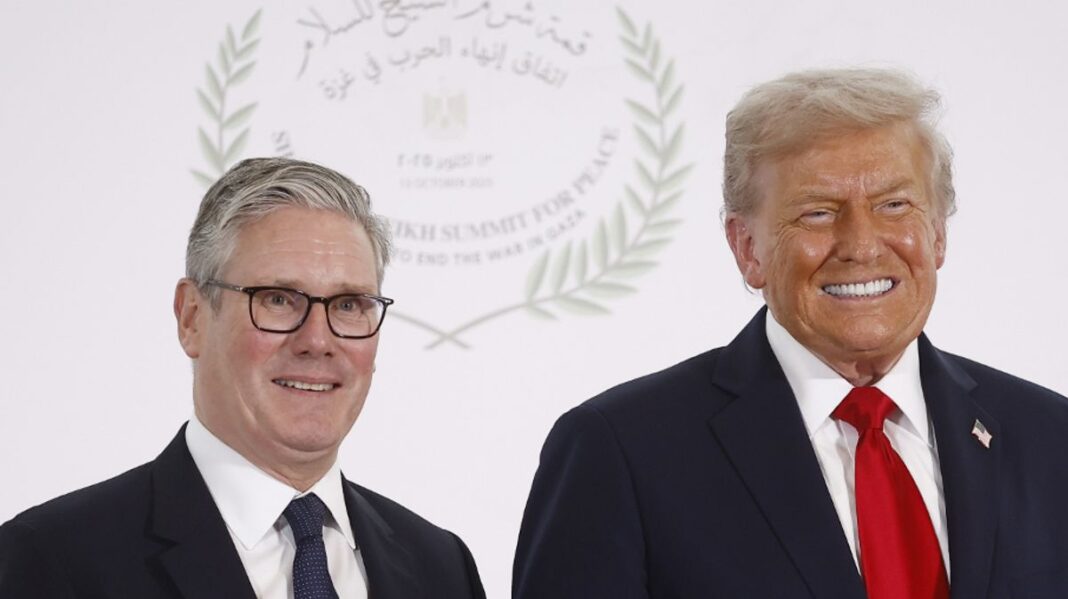
Not confined to American shores, global figures like Benjamin Netanyahu and FIFA’s Gianni Infantino also showered Trump with praise, illustrating a global trend of sycophantic behavior towards the ex-president. Even prominent individuals like Nato General Secretary Mark Rutte and Keir Starmer succumbed to grovelling, highlighting the extent of the phenomena.
However, amidst this tide of flattery, a glimmer of hope emerges in the form of the BBC. Trump’s audacious demand for a hefty fine over an editing dispute should be met with a strong response. The BBC could counter his claims by challenging his accusations, asserting the integrity of their reporting against his falsehoods.
Critics argue that Trump is using the BBC incident to divert attention from other pressing issues, suggesting a need for accountability. The BBC should stand firm, taking legal action if necessary to uphold journalistic integrity and combat the culture of unwarranted praise towards powerful figures.
In the face of mounting challenges, the BBC is urged to stand its ground, regardless of the costs involved, signaling a stance against the prevailing trend of excessive deference towards individuals like Trump.