
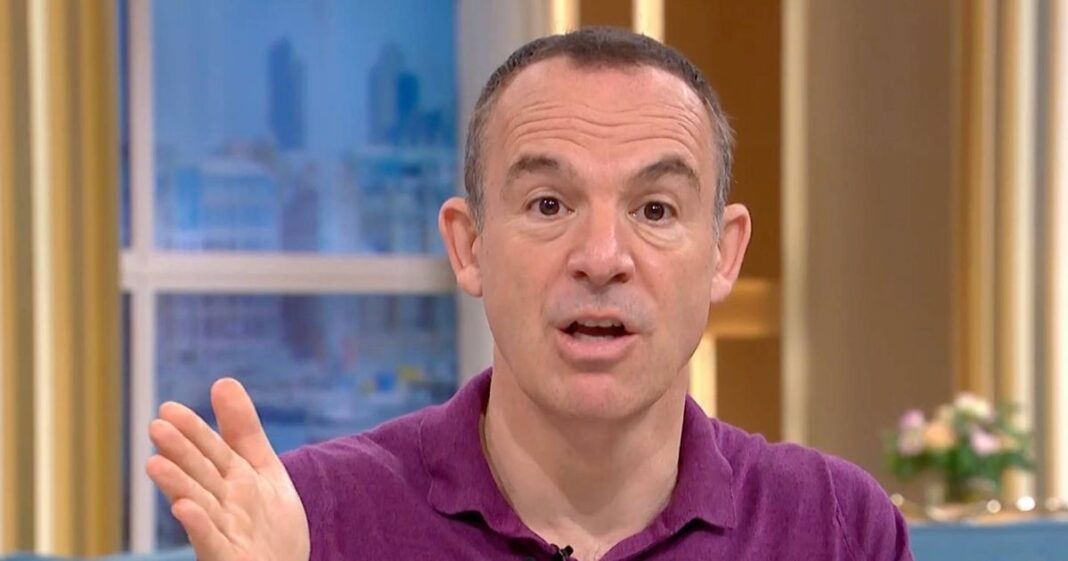

Martin Lewis recently shared a cost-effective solution for drying clothes at just 3p per hour, offering a more economical alternative to using a traditional tumble dryer. In a recent episode of his BBC Radio 5 podcast, the Money Saving Expert discussed strategies to manage rising energy costs, particularly focusing on reducing the usage of energy-intensive appliances like tumble dryers, which typically cost around £1 per load.
Encouraging homeowners to save money, Lewis recommended utilizing outdoor airers to decrease tumble dryer usage or even avoiding it altogether. He highlighted that using dehumidifiers can help reduce moisture in the air at a lower wattage compared to tumble dryers, ultimately leading to cost savings.
During the podcast, a listener raised concerns about dampness in their flat from indoor drying and inquired about the cost comparison between using a dehumidifier versus heating to maintain dryness. Lewis explained that dehumidifiers extract moisture from the air at lower energy consumption levels than standard heating, potentially resulting in reduced electricity bills.
Additionally, Lewis suggested a practical tip for enhancing heating efficiency by using reflective panels behind radiators to retain warmth within rooms. He mentioned that these panels, available for purchase at hardware stores, can significantly improve heat retention and reduce energy wastage through walls.
To further optimize energy consumption, Lewis advised turning off radiators in unused rooms before switching on the heating system, adjusting boiler flow rates to achieve gas bill savings, and ensuring that electronic devices like TVs are set to energy-efficient modes. He also emphasized the importance of detecting and sealing drafts around the house to enhance insulation and reduce heat loss.
Recent data revealed a concerning trend of households accumulating significant energy debts ahead of winter, with a collective debt reaching £780 million, as reported by Uswitch. The survey indicated a 46% increase in the number of households in debt to energy providers, rising from 2.4 million to 3.5 million compared to the previous year.