

As the approaching colder season draws near, financial expert Martin Lewis has revealed a clever yet straightforward method to potentially reduce gas expenses significantly.
Recent statistics have unveiled that households are heading into winter with a collective debt of £780 million to energy providers, marking the highest amount in eight years. This data, gathered for Uswitch, shows a worrisome 46% surge compared to the previous year, with around 3.5 million households owing money to their energy suppliers, a notable increase from 2.4 million.
To aid in cutting expenses nationwide, the Money Saving Expert shared tips on managing soaring energy bills during a BBC Radio 5 podcast, especially as winter approaches. Lewis highlighted a key adjustment that could lead to a 9% reduction in bills.
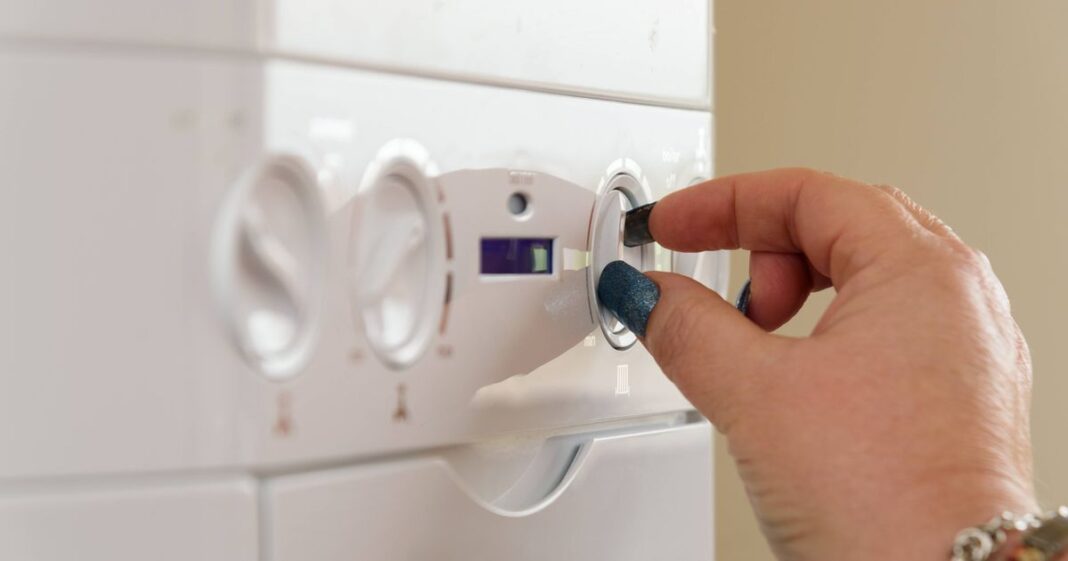
He recommended turning off radiators in unused rooms before switching on the heating to avoid wasting money on heating empty spaces. Additionally, adjusting the flow rate on your boiler can result in over a 9% decrease in gas bills without a noticeable impact on comfort.
Lewis also suggested using reflective panels behind radiators to reflect heat back into the room rather than letting it escape through the walls. These panels, particularly effective on external wall radiators, help retain heat. For a cost-effective option, tin foil can also work, though not as efficiently as reflective panels.
Currently, a roll of radiator heat reflector foil measuring four meters can be purchased at Screwfix for a reduced price of £6.38, down from £7.51.
In terms of appliances, Lewis highlighted the tumble dryer as a significant contributor to extra costs, costing around £1 per load. He advised reducing the use of tumble dryers by air-drying clothes outside or using dehumidifiers to remove moisture from the air, as they consume less energy compared to tumble dryers.
In response to a listener’s concern about dampness due to indoor drying, Lewis recommended using a dehumidifier, which is more energy-efficient than heating to maintain a dry environment and can lead to lower electricity bills.
Furthermore, Lewis emphasized minimizing the use of energy-intensive appliances and provided general advice such as setting TVs to low energy mode, detecting and sealing drafts in the house to improve energy efficiency.
By following these cost-saving suggestions, households can potentially reduce their energy expenses and improve energy efficiency during the winter months.