
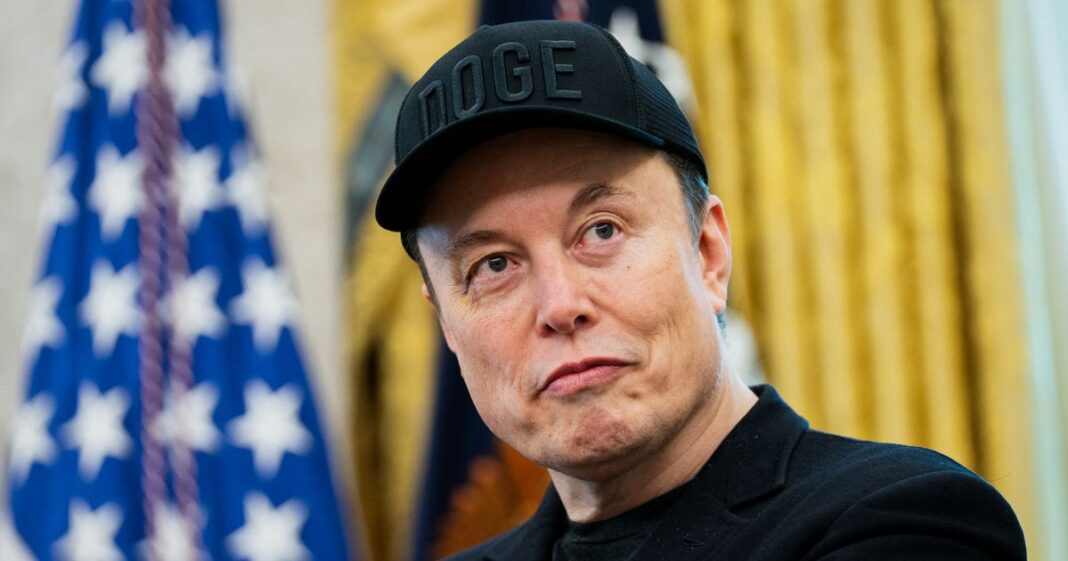

Elon Musk is on track to potentially become the world’s first trillionaire following a recent vote by Tesla shareholders. The company has greenlit a new compensation plan for its CEO, which could grant him access to $1 trillion worth of Tesla stock if specific targets are met over the next ten years.
For Musk to achieve trillionaire status, Tesla’s market capitalization must soar from its current $1.5 trillion to over $8.5 trillion. Under this plan, Musk will not receive a traditional salary but can earn an extra 12% of the company’s shares by 2035 by fulfilling various objectives. These goals include delivering 20 million electric vehicles, securing 10 million active full self-driving subscriptions, introducing one million humanoid robots, and launching a commercial service featuring one million Tesla taxis.
Even if Musk falls short of the primary milestones, the package could still yield substantial rewards. For instance, he could receive $50 billion in additional Tesla shares by boosting the company’s market value by 80%, as well as doubling vehicle sales, tripling operating earnings, or achieving any two of twelve operational targets.
Currently, Elon Musk holds the title of the world’s wealthiest individual with a net worth of $493 billion, according to Forbes magazine. He has emphasized that his focus is not solely on monetary gains but on increasing his ownership stake in Tesla to nearly 30% to retain control, especially with regards to the company’s future plans involving humanoid robots.
Despite some criticism, including concerns about excessive compensation, many investors, such as Baron Capital Management, view Musk as essential to Tesla’s success. Founder Ron Baron praised Musk’s dedication and vision, stating that Tesla would not be where it is today without his leadership.
On the other hand, critics like Calpers and Norway’s sovereign wealth fund have raised objections, citing worries about the pay package’s size and the board’s independence in its design. These concerns echo previous scrutiny from a Delaware court, which criticized the approval process for a prior Musk compensation package due to perceived conflicts of interest.
Receive daily updates with the latest news stories.