

The escalating tension between Iran and the United States is characterized by two key dynamics – ongoing diplomatic discussions and a significant increase in the American military presence, hinting at the possibility of war.
It appears that the diplomatic engagements are primarily a show for domestic audiences on both sides, with President Trump and Tehran seeking to portray efforts to prevent conflict. However, the looming threat of US airstrikes and potential Iranian missile attacks against US and Israeli targets could quickly escalate the situation.
Simultaneously, there is a mounting military buildup towards a significant confrontation involving the US, Israel, and Iran. Despite positive comments from Iranian diplomat Abbas Araghchi regarding recent talks in Geneva, the focus remains on showcasing progress to their respective audiences.
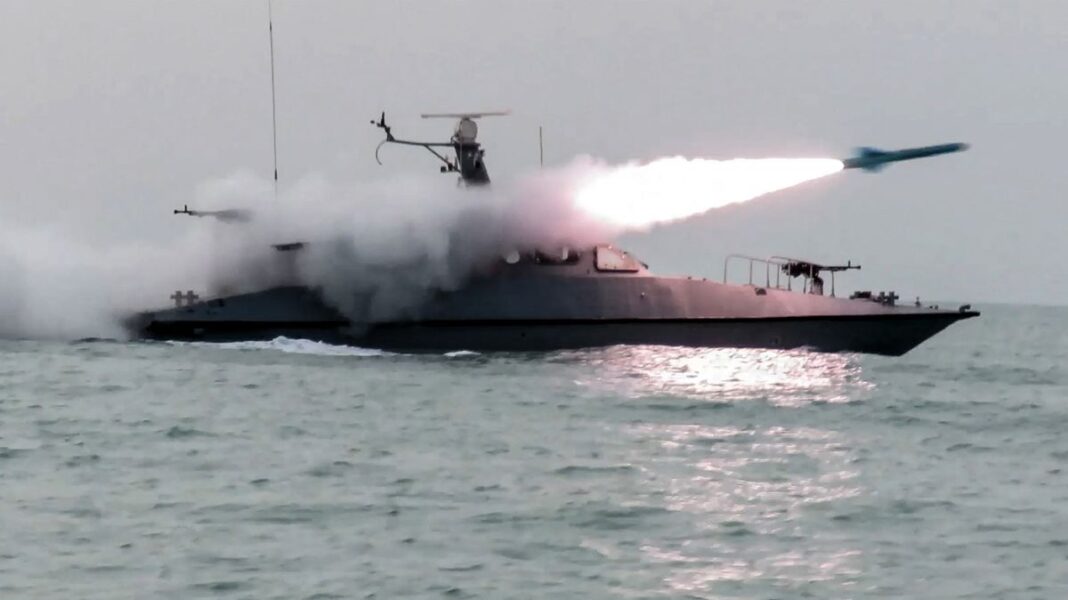
The Islamic Revolutionary Guard Corps is actively preparing for potential conflict by fortifying their missile capabilities and safeguarding enriched uranium stocks. In contrast, President Trump, amidst other controversies, is seemingly inclined towards external distractions, potentially setting the stage for further escalation.
Israeli Prime Minister Benjamin Netanyahu has reportedly warned of preemptive strikes against Iranian installations if the US does not act. Israeli security sources suggest forthcoming evidence of Iranian provocations, potentially related to their nuclear activities, which could further fuel tensions.
It is anticipated that Israel may present evidence of a long-term Iranian threat against the US or US-related interests, aiming to maintain momentum towards military action. With heightened military presence in the region, including the USS Abraham Lincoln and advanced fighter aircraft, the stage is set for potential strikes against Iran in the coming weeks.
The looming prospect of military action raises concerns about potential ramifications and the emergence of new security threats. The complexity of the situation underscores the need for diplomatic solutions to avoid further escalation and regional destabilization.