
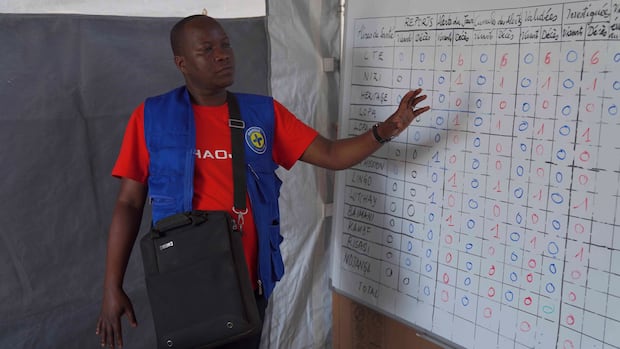

The latest government data from the Democratic Republic of Congo revealed that the Ebola outbreak has resulted in the deaths of 2,325 individuals, making it the deadliest outbreak in the country’s history, surpassing the toll of the 2018-2020 outbreak. The country’s public health institute reported a total of 4,945 confirmed cases, with 101 new cases identified within the previous 24 hours. This outbreak, the 17th in the country, already holds the record for the highest number of cases, a milestone reached in late July.
The current outbreak is caused by the Bundibugyo strain of Ebola, which lacks approved vaccines or treatments. Since its declaration on May 15, the outbreak has escalated due to challenges such as weak healthcare systems, community resistance, and instability, hindering the identification and management of cases. The case fatality ratio, the percentage of deaths among confirmed cases, has risen from about 20% in early June to 46%, indicating that nearly half of confirmed cases now result in fatalities.
Experts suggest that the increased fatality ratio is not due to the virus becoming more lethal but reflects persistent deficiencies in surveillance, case detection, and access to care. Despite ongoing efforts, including the evaluation of experimental vaccines and therapies, global health authorities are exploring the potential of existing Ebola treatments for protection, primarily based on limited evidence from animal studies.
The outbreak, which has also affected neighboring Uganda but was contained with limited casualties, underscores the severity of the disease, which spreads through direct contact with infected individuals’ bodily fluids. Symptoms include fever, vomiting, diarrhea, and, in severe instances, internal and external bleeding. The rapid spread of this outbreak raises concerns about its potential to extend beyond the region’s borders.