
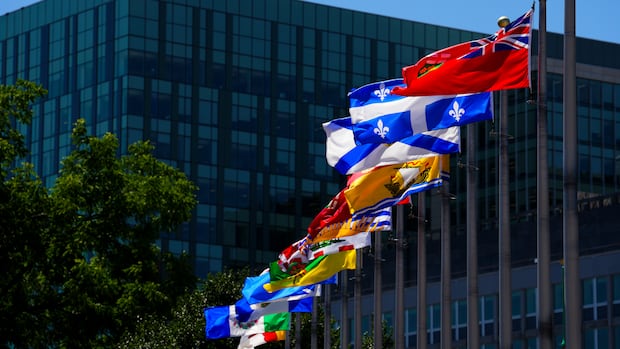

The breakdown of negotiations with the United States has heightened the importance of reducing trade obstacles within Canada. However, experts emphasize that this task is complex and not easily remedied.
Recent efforts to enhance interprovincial trade have gained momentum. Last month, nine provinces reached an agreement to permit direct-to-consumer alcohol sales across provincial borders, illustrating progress in a specific segment of the alcohol industry. Despite this advancement, challenges persist in liberalizing sales due to additional fees and regulations imposed by certain provinces, complicating the landscape for producers beyond their home jurisdictions.
Jeff Guignard, the CEO of Wine Growers British Columbia, criticized the inefficiency of having to navigate multiple wholesale markups, labeling it as nonsensical. He highlighted the impracticality of requiring B.C. wineries to register in other provinces merely to ship wine, contradicting the objective of fostering inter-provincial trade unity.
The potential economic gains from streamlining domestic trade are significant. The International Monetary Fund projects that eliminating internal trade barriers could increase Canada’s real GDP by up to seven percent or approximately $210 billion in the long run. In contrast, CIBC offered a more conservative estimate of a one percent GDP boost in March, underscoring the importance of pursuing this endeavor.
Federal and provincial ministers convened in Iqaluit this week to advance the vision of a unified Canadian economy and dismantle barriers. Discussions centered on achieving a freer flow of services nationwide, streamlining approvals for prefabricated homes and construction materials, and facilitating food trade within Canada.
The renewed focus on eliminating provincial hurdles received accolades from Corinne Pohlmann, the executive vice-president of advocacy at the Canadian Federation of Independent Businesses. Pohlmann acknowledged the progress made in recognizing other provinces’ standards for goods but emphasized the need for effective implementation to ensure operational success.
Addressing these challenges, University of Ottawa professor Wolfgang Alschner is leveraging artificial intelligence to catalog and identify discrepancies in regulations across Canada. Alschner advocates for a harmonized regulatory framework to enhance trade efficiency and foster a more interconnected Canadian economy.
In summary, the push to dismantle internal trade barriers is gaining momentum, with stakeholders aiming to create a seamless and efficient trading environment conducive to economic growth and prosperity for all Canadians.