
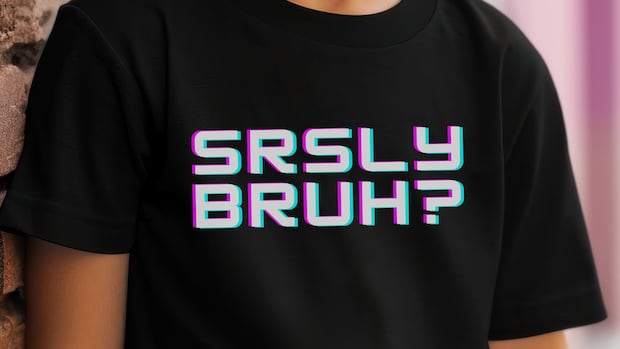

Sam Joseph Karam, the owner of Customized Designs, a U.S.-based apparel company, expressed surprise when he received an email from Etsy informing him that 11 of his T-shirt designs featuring the term “bruh” were removed due to trademark issues. Karam, who sells clothing on various online platforms, including Etsy, found it unusual to have multiple listings taken down simultaneously, especially since it led to the removal of his Star Seller badge and a subsequent decline in sales.
The email from Etsy cited a complaint by Malik Yawar Abbas, a Canadian trademark holder for the term “bruh,” as the reason for the takedowns. Karam is not the only seller facing such challenges, as several Etsy sellers reported similar experiences after their use of the word “bruh” was flagged by Abbas. The situation has raised concerns about trademark enforcement and its impact on online sellers.
Abbas, the trademark holder, is accused of “trademark squatting,” where he profits by licensing the term rather than using it to create products. Legal experts emphasize the need for platforms and the legal system to address such practices to protect businesses and promote fair competition.
The Canadian Intellectual Property Office granted Abbas the trademark for “bruh” in connection with clothing sales and later for advertising restaurant services. While the office did not provide specific details about the trademark, it stated that each application is reviewed independently.
Karam discovered Abbas’s website, showcasing licensing options for the “bruh” trademark rather than selling actual products. Despite Abbas’s defense of his actions as part of developing a licensing brand, Karam refused to comply with Abbas’s demands for a financial settlement to retract the complaint.
Karam is exploring legal avenues to challenge the trademark’s validity, citing concerns of bad faith. Experts point out that trademark laws allow for challenges based on bad faith filings, although the outcomes are not always clear-cut.
Trademark disputes, such as the “bruh” case, highlight the complexities of trademark ownership and enforcement. While trademark holders have rights to protect their brands, the situation underscores the need for clearer regulations and mechanisms to address potential abuses of the trademark system. The evolving landscape of trademark disputes calls for a balance between protecting intellectual property rights and preventing unfair practices that may hinder legitimate businesses.