
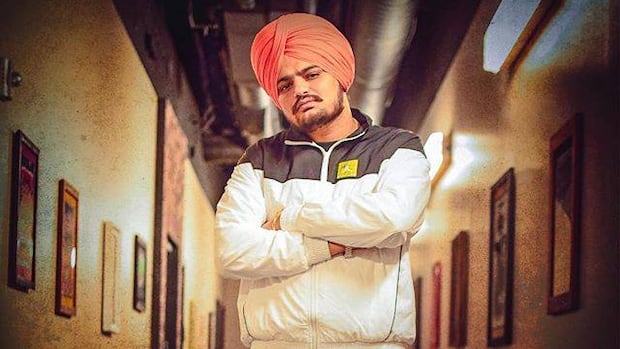

Ravinder Sidhu and his sister Nav journeyed from India to Toronto to attend Sidhu Moose Wala’s Signed to God world tour at Scotiabank Arena, spending $550 each on tickets. The siblings were aware that this would be a unique experience as the Punjabi rapper tragically passed away in 2022 after being targeted by gunmen near his hometown in Northern India. To replace Moose Wala on stage, a hologram was utilized during the kickoff event, showcasing the potential of this technology to provide an unforgettable fan experience at a premium cost.
Expressing their excitement outside the venue before the show, Ravinder mentioned to CBC News that they were eagerly anticipating the futuristic aspect of the performance. Another fan, Harry Singh, shared that he invested $270 for his ticket along with airfare from California. Singh highlighted how ticket prices surged closer to the event date, noting the value of buying early.
The concert reportedly featured an unreleased track titled “Rebirth” and a live appearance by the late rapper’s younger brother. Attendees, including Singh, engaged with the hologram of Moose Wala on stage, capturing the essence of the artist’s music and presence. The rapper’s ties to Brampton, Ontario, where he gained prominence as an international student, were reflected in his lyrics and music videos, notably the tribute song “B-Town.”
With holographic performances becoming more prevalent, music journalist Alan Cross emphasized the shift towards digital-first shows, citing successful examples like Abba Voyage in London. Cross predicted a rise in holographic concerts due to factors such as aging rock stars, music catalog ownership changes, and evolving audience preferences in the digital age.
David Nussbaum, founder of a Los Angeles-based hologram company, discussed the potential of using technology to revive deceased celebrities like Ozzy Osbourne. Nussbaum highlighted the capabilities of their “agentic AI avatar,” which can interact with fans in various languages, offering an immersive experience for audiences worldwide.
The evolution of hologram technology was exemplified by the resurrection of Tupac Shakur at the Coachella Festival in 2012, marking a turning point in entertainment and technology integration. Tech expert Carmi Levy emphasized the advancements in holographic quality over the years, driven by developments in artificial intelligence.
Looking ahead, companies like Proto aim to integrate AI-powered holograms seamlessly into real-world settings, expanding beyond entertainment into fields like healthcare and education. Nussbaum shared examples of utilizing holograms for educational and medical purposes, illustrating the broader applications of this technology beyond the entertainment industry.
As holographic experiences become more sophisticated and accessible, the possibility of enjoying such immersive encounters at home is increasingly likely. Levy envisioned a future where advanced 3D AI capabilities would be integrated into everyday devices, signaling a shift towards a new era of multimedia experiences driven by holographic technology.