
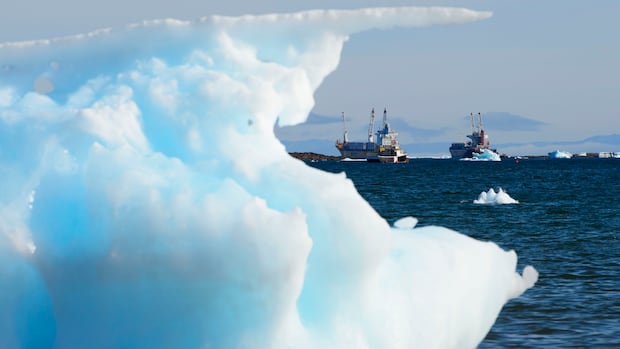

Russia has seen a significant increase in its oil exports through the Northern Sea Route (NSR) in 2026, surpassing last year’s figures by almost 50 percent. Approximately 20 million barrels have been transported to Asia from July to mid-October this year, according to traders and data reports.
The NSR connects Russia’s western ports to Asian markets through icy Arctic waters, known for being a challenging and costly route. However, disruptions in other key routes like the Suez Canal, the Strait of Hormuz, and the Black Sea have made the NSR more appealing this year.
Due to conflicts with Iran and Ukraine leading to inflation and limited access to U.S. crude oil, Asian refiners have turned to alternatives from the Middle East and Latin America, driving up tanker freight rates to record levels. Despite the high tariffs for NSR usage, which requires icebreaker assistance, it has become a more cost-effective option compared to the traditional Red Sea route to Asia.
For Russia, which has control over the NSR, this route offers a secure alternative to European waters where oil tankers have faced seizures this year. Traders’ estimates suggest that the volume of Russian oil exported through the Arctic route may increase by an additional five to 10 million barrels by the end of the navigation season.
Gazprom Neft, a major Russian oil company, plans to boost its NSR shipments by around 35 percent this year compared to 2025. In addition to oil, Russia also transports significant amounts of liquefied natural gas (LNG) and other goods through the NSR, with expectations of rising LNG supplies following the commencement of Arctic LNG shipments.
During an economic forum in Vladivostok, President Vladimir Putin expressed Russia’s anticipation of doubling cargo turnover via the NSR to 70 million tonnes annually by the end of the decade. The inauguration of Rosneft’s Vostok Oil project in northern Russia has further contributed to the increasing volumes utilizing the NSR.