
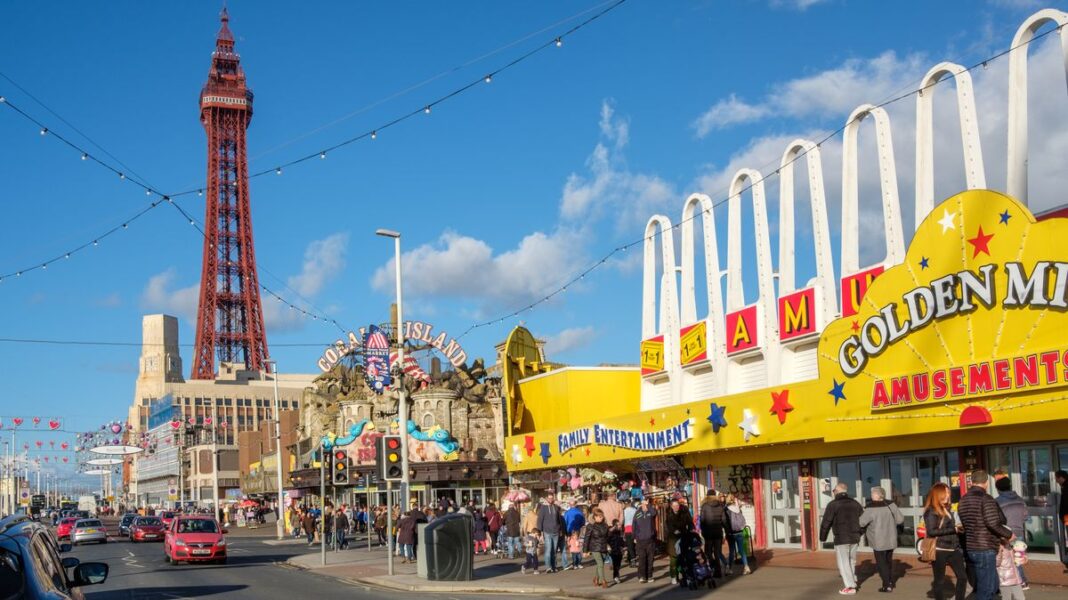

Britain’s coastal arcade industry faces potential closure if gaming taxes are increased, according to industry leaders. They warn that a proposed hike from 20% to 50% in slot machine duty could have devastating effects on all 400 seaside venues, as well as on high street gaming centers and establishments like pubs and working men’s clubs with fruit machines.
Efforts to prevent these tax increases are being intensified by the gambling sector ahead of the upcoming Budget announcement. Former Labour Prime Minister Gordon Brown has endorsed the Institute for Public Policy Research’s suggestions to target the supposedly undertaxed gambling industry, aiming to raise £3.2 billion to combat child poverty. Concerns have been raised that while addressing gambling addiction, particularly online, these proposals may inadvertently harm other traditional forms of betting enjoyed by generations, with the horseracing industry expressing worries about the potential negative impacts on prize money and sponsorships.
Joseph Cullis, president of Bacta, the trade association representing seaside arcades and adult gaming centers, emphasized the critical role of slot machines in supporting these businesses, especially during off-peak seasons. He cautioned that increasing the current 20% machine games duty to 40% or 50% could spell disaster for the industry, which not only provides local employment but also contributes to the vitality of high streets and coastal towns.
The Treasury has stated its commitment to finding a balance in the Budget, ensuring sufficient funding for public services while promoting growth and investment in businesses. The focus remains on proposed gambling tax hikes from the Institute for Public Policy Research to address issues of gambling harm and child poverty.
Different gambling sectors are subject to various levies, with remote gaming duty being a significant revenue source for the Treasury, generating £1 billion annually. The IPPR recommends more than doubling this duty from 21% to 50% to raise an additional £800 million. Additionally, raising the machine games duty from 20% to 50% could increase tax revenues to £900 million per year, according to the IPPR. While most forms of gambling in the UK are exempt from VAT, some operators are thriving financially, with companies like Flutter and Bet365 reporting substantial profits.
With the gambling industry heavily reliant on bookies and gambling firms for prize money and sponsorships, any further tax imposition on their profits could have adverse effects, as argued by industry insiders. Discussions also revolve around the potential unintended consequences of targeting addictive forms of gambling without impacting less harmful activities. The industry suggests reevaluating specific duties related to bingo and horse racing as possible solutions.
Concerns have been raised that players may face worse odds or turn to illegal gambling options if taxes are increased, potentially leading to numerous betting shop closures. Critics argue that the black market risk is exaggerated, given the licensing requirements for operating in the UK, and suggest that firms could adjust to accommodate smaller profits.