
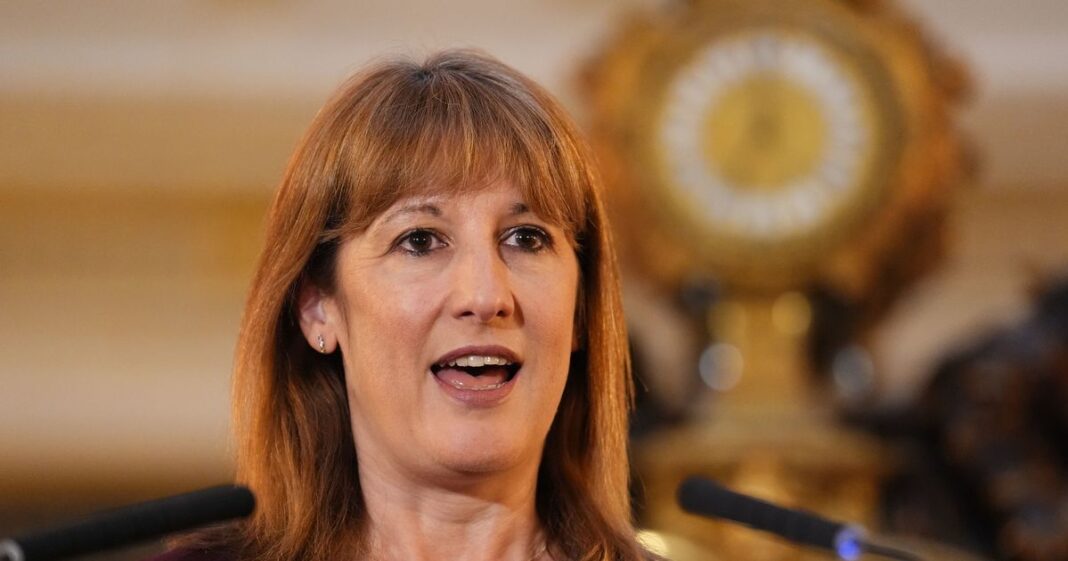

Labour’s Rachel Reeves is under pressure to focus on taxing the wealthiest individuals in the upcoming Budget following a report revealing a significant increase in the wealth gap in the UK. The widening wealth inequality poses serious risks to society, including social unrest, climate crisis neglect, economic stagnation, and democratic decline.
According to the Fairness Foundation, the wealth gap between the richest and poorest 10% of the population in the UK has surged by 54% from 2011 to 2021, primarily driven by the appreciation of assets like property. Inheritances and gifts have doubled over the past 20 years to £100 billion and are projected to double again by 2040. The report highlights that the top 10% of families consistently hold more than half of the total wealth, while the bottom 10% of households have a net worth of £15,400 or less.
Fairness Foundation’s Will Snell emphasized the urgent need for decisive action to address the escalating wealth inequality to prevent further social division, economic inefficiency, and political disengagement. The Chancellor is considering a mix of tax increases and spending cuts in the upcoming Budget to address a projected £22 billion deficit.
Reeves hinted at targeting the wealthiest individuals in the Budget, advocating for fair contributions from those who can afford it. However, she is hesitant about implementing a dedicated wealth tax. While focusing on fostering economic growth, Reeves aims to ensure fiscal resilience and compliance with fiscal rules through prudent tax and spending measures.
Labour had pledged to shield working individuals from increases in national insurance, VAT, and income tax in its manifesto. Speculation is mounting on whether Reeves may need to reconsider this pledge. Despite not ruling out a potential income tax hike, she reassured her commitment to keeping taxes for working people as low as possible.