
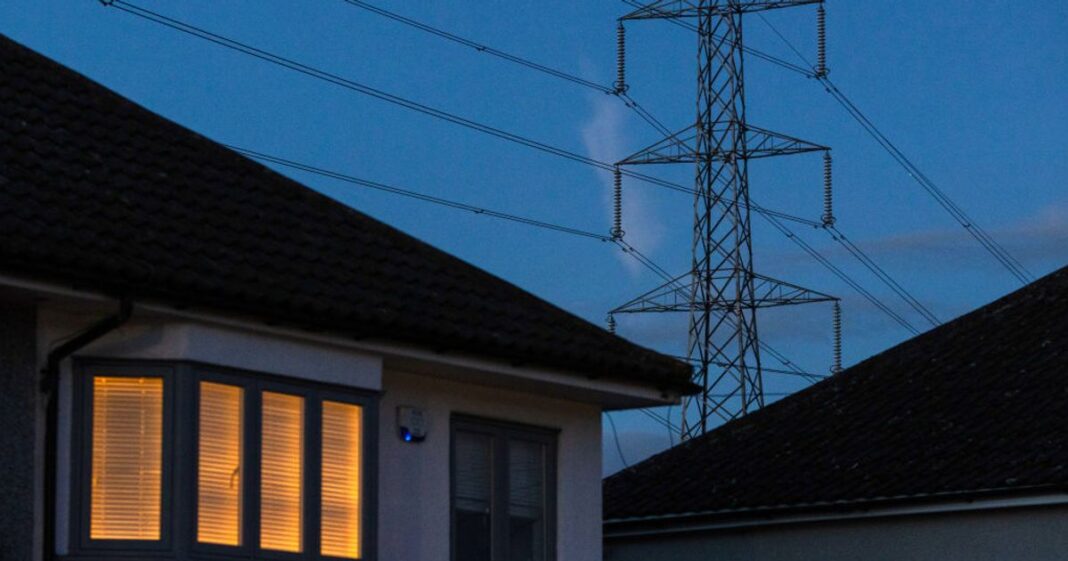

Regulators faced backlash following their approval of a £28 billion agreement with energy corporations, resulting in an anticipated annual increase of almost £110 per customer.
Ofgem, the industry watchdog, has authorized the companies to invest in enhancing their gas and electricity networks over the next five years. This move will allow the firms to recover the investment costs from customers, starting with a £40 rise in bills in April, escalating to £108 annually by 2031. Ofgem projects that once the anticipated savings from these extensive investments are factored in, the actual increase in 2031 would be closer to £30 per customer.
The final deal surpasses Ofgem’s initial proposal earlier this year by £4 billion following lobbying efforts from the industry. Ofgem defended the investment, highlighting its potential to decrease the UK’s dependence on imported energy and ultimately save households money.
Citizens Advice criticized the recent agreement, citing that network companies had already amassed £4 billion in excess profits over the past four years. The organization’s energy director, Gillian Cooper, expressed concerns over the impending rise in energy bills, emphasizing that bills are set to increase by approximately £40 starting from April 2026 with further hikes in the future.
Simon Francis, from the End Fuel Poverty Coalition, cautioned Ofgem about the risks associated with granting substantial funds to network and transmission companies without proper oversight and consumer protection guarantees. He emphasized the need for ensuring that any additional costs passed on to customers result in tangible benefits and contribute to long-term energy cost reduction and security.
Greenpeace UK’s senior climate advisor, Charlie Kronick, stressed the importance of reducing energy costs for households and businesses as the transition to a cleaner energy system progresses. Kronick called for government intervention to ensure that the energy system prioritizes consumers over profits.
Dale Vince, the founder of Ecotricity, advocated for breaking the connection between wholesale gas prices and electricity prices as a key strategy to lower energy bills. Vince criticized Ofgem’s stance on renewable energy’s impact on reducing bills, warning that without breaking this link, consumers will remain vulnerable to fluctuating global gas prices.
Andy Prendergast, representing the GMB union, welcomed the overdue investment in gas and electricity infrastructure, emphasizing the importance of advancing towards energy independence. He commended the government for making decisive moves in addressing long-standing investment gaps in the energy sector.
The planned investments primarily target companies responsible for power lines, cables, and gas pipes rather than energy suppliers. Out of the total £28 billion, nearly £18 billion will be allocated to gas transmission and distribution networks, with an additional £10.3 billion earmarked for enhancing the UK’s high-voltage electricity network.
Households can expect a £108 increase in network charges by 2031, covering the costs of the additional investments, up from the £104 estimated elevation in the preliminary verdict issued in July.
Jonathan Brearley, Ofgem’s chief executive, affirmed that the investment will facilitate the transition to alternative energy sources and provide essential support for industrial consumers to drive economic growth and shield against volatile gas prices.
A government spokesperson underscored the necessity of upgrading the gas and electricity infrastructure to ensure energy security and sustainability for the nation, following years of underinvestment.
Dhara Vyas, CEO of Energy UK, emphasized the critical role of increasing infrastructure investments in maintaining safe and reliable energy networks. Vyas highlighted the significance of modernizing the electricity grid to meet the evolving demands of the energy system, particularly with the anticipated surge in electrification and new energy-dependent developments.
Ofgem has scrutinized the proposals submitted by energy companies throughout the year, resulting in reductions exceeding £4.5 billion compared to the initial £33 billion plans. Despite the reductions, Ofgem augmented the approved amount from its July proposal following appeals from network companies, citing the need for additional investment in electricity transmission projects and infrastructure maintenance.
Ofgem specified that the investment will support around 80 new power projects aimed at enhancing the grid’s capacity to accommodate electricity from emerging renewable sources through new power infrastructure.
Scottish and Southern Electricity Networks highlighted the positive impact of the investment on reducing reliance on imported energy, reinforcing energy security, and stimulating economic growth across the UK. National Grid also welcomed Ofgem’s recognition of the essential investment into electricity transmission and committed to reviewing the approved package to ensure its feasibility and alignment with