
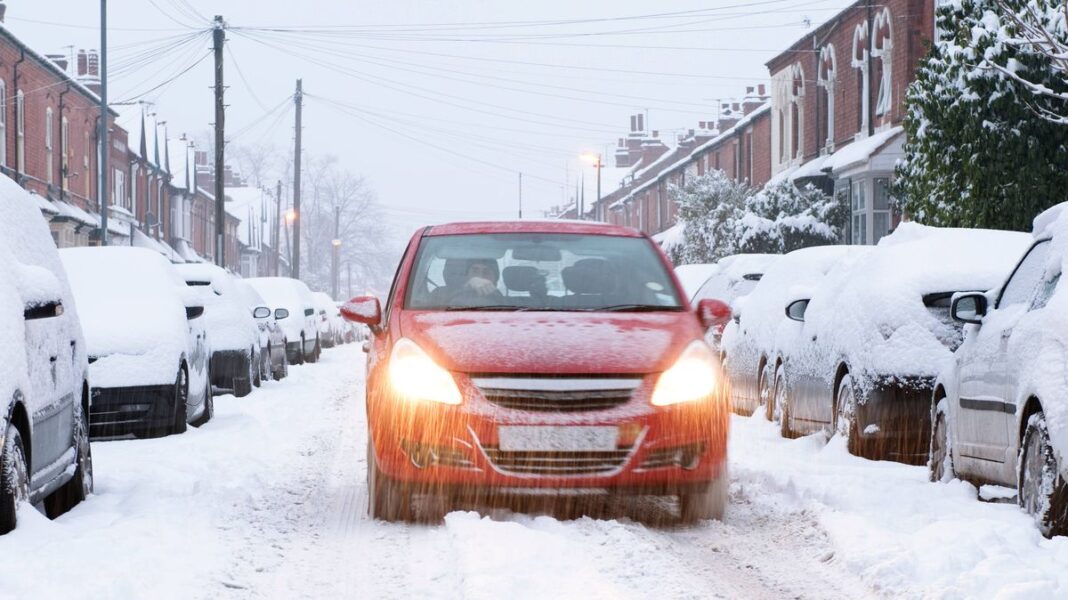

As the temperatures drop in the UK, drivers are being cautioned to be extra vigilant on the roads. With the possibility of encountering ice, rain, wind, and snow this winter, motorists are reminded to adhere to four essential rules outlined in the Highway Code.
These rules, covered in sections 228 to 231 of the Highway Code, specifically address various weather conditions, including issuing a warning against driving in hazardous circumstances. One key recommendation is to check the local weather forecast before embarking on a journey, especially if there are indications of ice or snow.
The Highway Code emphasizes the importance of preparing an emergency kit, which should include essential items such as a warm drink and emergency food to be kept in the vehicle in case of being stranded or experiencing a breakdown.
Furthermore, it is emphasized that drivers must ensure clear visibility before starting their journey by removing all snow and ice from windows, mirrors, lights, and number plates. Clearing snow from the roof is also crucial to prevent it from sliding onto the windshield or into the path of other road users.
Even when roads have been gritted, driving conditions can remain risky. Rule 230 advises drivers to maintain a greater distance from the vehicle ahead due to extended stopping distances on icy roads.
Additionally, drivers are cautioned to avoid sudden maneuvers such as sharp braking or steering, as these actions can lead to loss of control on icy surfaces.
By following these guidelines, drivers are reminded that negligence can result in serious injuries, and in adverse weather conditions, it is advisable to consider delaying travel plans whenever feasible.
Penalties under the Highway Code vary depending on the severity of the violation. To learn more about Rules 228 to 231 in the Highway Code, refer to the official document for detailed information.