
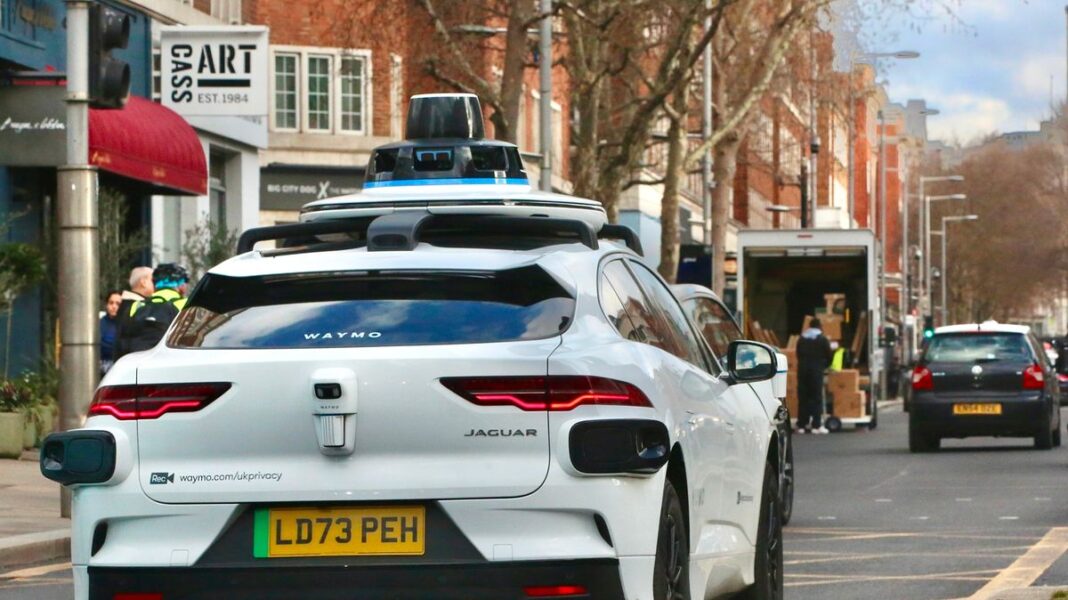

An army of autonomous taxis could soon hit the streets of the UK as early as this fall. Waymo, a US company, has revealed plans to introduce its self-driving cab service in London by the end of the year. The Mirror was granted an exclusive preview of Waymo’s AI-powered driverless cabs, known as robotaxis, which are currently undergoing testing in the city.
Before being able to pick up passengers, Waymo’s autonomous taxi service must receive official safety approval. The company, a subsidiary of tech giant Google, asserts that its advanced technology has the potential to significantly reduce traffic accidents as well as pedestrian and cyclist injuries.
Although fares for Waymo’s autonomous cabs are expected to be higher than traditional human-driven Uber and black cabs, the service aims to attract passengers who value the enhanced safety and privacy provided by autonomous vehicles. Nicole Gavel, Waymo’s senior director of business development and strategic partnerships, expressed the company’s commitment to becoming the most trusted driver globally, emphasizing the goal of improving road safety.
While the exact size of Waymo’s upcoming London fleet remains undisclosed, the company currently operates 1,000 vehicles in San Francisco and 700 in Los Angeles. Waymo has not ruled out expanding its self-driving cab service to other cities and towns across the UK in the future.
In a parallel development, Uber is also piloting autonomous taxis in London. Waymo’s leadership has assured that their cutting-edge cars are equipped to handle the diverse and challenging conditions of UK roads, including complex routes and adverse weather.
Waymo’s technology is designed to continuously monitor the surrounding environment, enabling it to anticipate unexpected events such as pedestrians suddenly emerging into the vehicle’s path. The company’s innovative technology will be integrated into a fleet of electric Jaguar I-Pace cars.
Despite Waymo’s optimistic outlook, some industry experts, like Steve McNamara from the Licensed Taxi Drivers’ Association, remain skeptical about the public’s acceptance of autonomous vehicles, raising concerns about the implications on employment and societal dynamics.
As the autonomous vehicle industry continues to evolve, it remains to be seen how consumers will embrace this new mode of transportation and whether they will be willing to pay a premium for the convenience and safety it offers.