
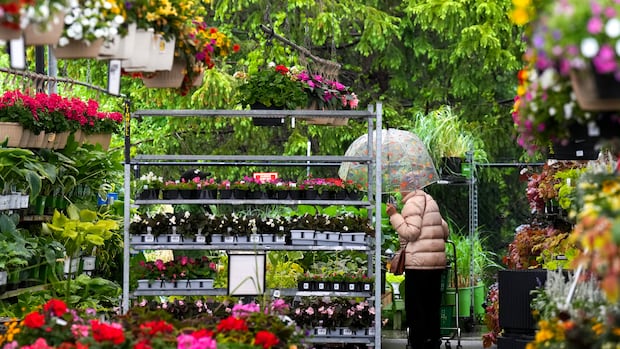

Canadian municipalities are taking action to prevent the sale of invasive plants in local garden centers, as advocates urge the Canadian government to implement a national strategy for regulating the horticultural industry. In response to the threat posed by invasive plants to biodiversity nationwide, various cities are stepping up to address gaps in the current regulatory framework, which differs from one jurisdiction to another. Canada has set a goal to reduce the introduction and establishment of known invasive species by at least 50% by 2030.
The Canadian Coalition for Invasive Plant Regulation (CCIPR) is calling on the federal government to establish a regulatory body for the horticultural sector and develop a national database that identifies invasive plants and associated risks in different regions. CCIPR co-founder Cathy Kavassalis emphasized the importance of informing the public about potential harm posed by invasive plants, suggesting that similar measures are taken for other products and should be extended to plants as well.
While the Canadian Food Inspection Agency (CFIA) oversees some invasive plants under the Plant Protection Act, individual provinces and territories have their own legislation for managing invasive species or weeds. The CFIA stated that their approach focuses on species-specific risks rather than a blanket prohibition, allowing them to restrict the import, sale, possession, and movement of plants identified as regulated pests.
Efforts to manage invasive plants are deemed a collective responsibility involving federal and provincial authorities, municipalities, industry stakeholders, and invasive plant organizations. The consideration of broader federal restrictions on invasive plants would depend on the specific risks posed by different species and the existing legislative powers.
Recent actions by Canadian cities illustrate this growing concern. Nanaimo and Surrey have moved to restrict the sale of invasive plants, while London, Ontario, is considering requiring retailers to provide customers with information on invasive plants and animals at the point of sale. However, Kavassalis pointed out that the issue is being primarily addressed at the municipal level, leading to fragmented solutions that may not effectively address the problem.
Kirsty MacDonald, the parks manager in Nanaimo, highlighted the impact of invasive plants on the local environment and potential risks to human health, even though most local plant suppliers are aware of the issue. To make progress in combating invasive species, MacDonald emphasized the need for a comprehensive approach involving all levels of government.
Advocates like Kavassalis are urging the federal government to prioritize the horticultural trade to meet the 2030 target of reducing invasive species. Research has shown that the sale of ornamental non-native plants is a significant pathway for introducing invasive species, similar to findings in the United States. Establishing a national database could enhance information sharing among provinces, territories, retailers, and gardeners about the risks associated with different plants.
Horticulture expert Jim Hole emphasized the willingness of most garden centers to support initiatives that prevent the spread of invasive plants, citing examples where businesses have voluntarily stopped selling invasive species. He emphasized the importance of research, regulation, and public education in aiding greenhouse owners and farmers in managing unwanted plants effectively.
Native plant advocate Lorraine Johnson highlighted the role of nurseries in promoting biodiversity loss by selling non-native plants that do not support local ecosystems. She emphasized the need for consumers to be aware of the invasive potential of certain plants and for nurseries to play a responsible role in promoting native species.
Regulating garden centers can also help raise public awareness about the ecological impact of invasive plants and encourage gardeners to consider the broader environmental implications of their gardening choices.