
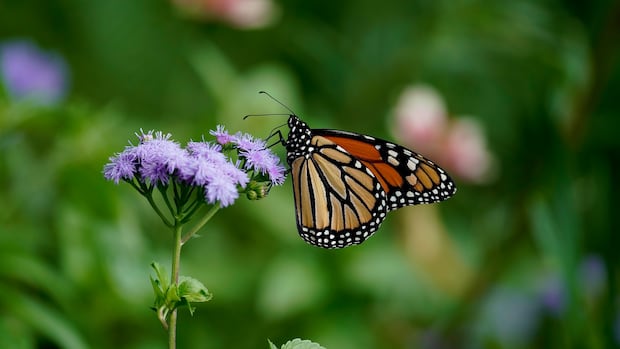

MaryAnn Lepp is amazed by the multitude of monarch butterflies undergoing their enchanting transformation in her garden. Just this week, she observed 20 caterpillars feasting on her swamp milkweed in a single day. This surge in backyard milkweed patches across parts of the Prairie is being witnessed by numerous Canadian monarch enthusiasts, including Lepp in La Broquerie, located about 60 kilometers southeast of Winnipeg.
Expressing her excitement, Lepp eagerly scans her garden for monarch cocoons, remarking on the increased presence of butterflies this year compared to previous years. While conservation experts cannot definitively attribute this surge to favorable weather conditions, they acknowledge the positive impact on the federally endangered species, known for their remarkable annual migration between Canada and Mexico.
Marika Olynyk, curator of the Living Prairie Museum, notes the abundance of monarchs in Winnipeg this year, with a continuous presence of caterpillars, chrysalises, and butterflies throughout the summer. The preservation of native plants at the tall grass prairie in Winnipeg, including various milkweed species, has provided ample nectar sources for monarch butterflies, although they exclusively feed on milkweed leaves during the caterpillar stage.
Despite efforts by individuals like Lepp to plant milkweed and native wildflowers, these habitats remain scarce due to the historical conversion of native grasslands into farmland. Habitat loss stands as the primary threat to monarch butterflies, symbolizing the broader issue of species and habitat decline.
In response to growing concerns over the monarch population, Ottawa upgraded the legal protection status of monarchs from “special concern” to “endangered” in 2016. However, it wasn’t until December 2023 that the federal government prohibited harming or capturing monarchs at any developmental stage on federal lands.
While efforts to conserve monarchs continue, challenges persist as the population remains below sustainable levels. Laura Burns, conservation programs manager at Assiniboine Park Zoo, highlights the positive trends observed among monarchs and the ongoing conservation initiatives for the critically endangered Poweshiek skipperling butterfly in southeastern Manitoba.
The zoo’s breeding and release programs for Poweshiek skipperlings have shown promising results this summer, signaling potential steps towards population recovery. These conservation efforts, coupled with favorable weather conditions, have not only benefited monarchs and Poweshiek skipperlings but likely other butterfly species as well.
As part of a Canadian Wildlife Service project, zoo staff will be attaching radio transmitters to monarchs this fall to track their migration to Mexico. Meanwhile, dedicated enthusiasts like Lepp remain committed to safeguarding caterpillars and chrysalises under their care, emphasizing the importance of conservation efforts for both the planet and our interconnectedness with nature.