

Canada and the United States are still at odds as talks progress towards a potential tariff agreement prior to U.S. President Donald Trump’s impending deadline, sources report. The federal government remains skeptical about an imminent deal due to significant disagreements between the two parties, highlighting the distance still separating them on key unresolved issues.
Dominic LeBlanc, the Trade Minister for Canada and the U.S., provided updates on the negotiation status to provincial and territorial counterparts and members of the prime minister’s advisory committee on economic relations between the two countries. These briefings, known to insiders, were not officially authorized for public disclosure.
Following Trump’s threat to impose a hefty 50% tariff on numerous Canadian goods starting on August 19, Canada and the U.S. intensified their trade discussions. Sources reveal that Canadian optimism is waning as the American side remains steadfast in their latest proposal, which involves reducing sectoral auto tariffs to 12.5%. However, Canada finds this offer insufficient.
According to Quebec’s Economy Minister Bernard Drainville, who received a briefing from LeBlanc, a significant gap persists between the negotiating positions of Canada and the U.S. Drainville emphasized the absence of any agreement and the likelihood that Trump will proceed with the 50% tariffs as planned.
Erin O’Toole, a former Conservative leader and advisory committee member, echoed the sentiment of a substantial divide between the two nations’ stances. Despite ongoing dialogue and a willingness to reach a resolution, the gap remains considerable, potentially requiring last-minute efforts to bridge differences.
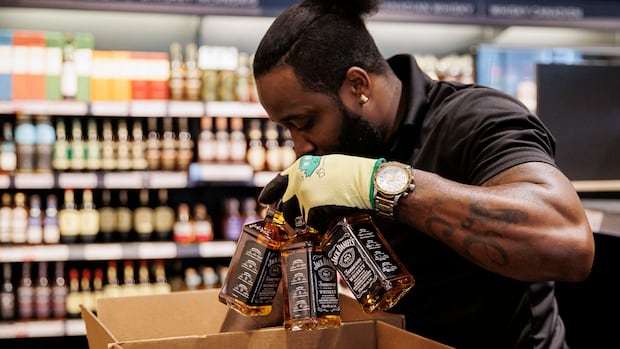
Furthermore, sources indicate that the Canadian government has instructed provinces to prepare for the potential reintroduction of American alcohol on store shelves if a tariff deal materializes. Additionally, provinces may need to abandon procurement rules favoring Canadian suppliers if an agreement is reached.
Trump’s dissatisfaction with provincial liquor bans, dairy quotas, and auto tariffs prompted the tariff threats. The current negotiation framework involves the U.S. refraining from imposing new levies while reducing existing sectoral tariffs on Canadian steel, aluminum, autos, and forest products. In return, Canada may need to address the grievances outlined by Trump.
Quebec Premier Christine Fréchette stressed the importance of safeguarding Canada’s supply management system for dairy, a contentious issue in the trade talks. Fréchette emphasized that this system must not be compromised, setting a clear boundary for negotiation.
Recent reports have indicated that Canada may be willing to lift the booze bans in exchange for tariff relief. Trump’s persistent sectoral tariffs and the looming 50% levy deadline have intensified the urgency to resolve trade disputes.
Despite the “constructive” nature of recent talks with Canada, U.S. Trade Representative Jamieson Greer emphasized the desire for Canada to abandon retaliatory measures like the booze bans. The negotiations aim to find common ground that aligns with Trump’s trade policies while addressing Canadian concerns.
The booze bans, a retaliatory measure by Canada following previous tariff threats by Trump, have significantly impacted U.S. alcohol exports to Canada. The potential return of American alcohol to Canadian shelves hinges on the outcome of the ongoing trade negotiations, with both countries seeking a mutually beneficial resolution to the trade dispute.