

As the sun set and a solar eclipse dimmed the skies above northern France recently, a crowd gathered at a highway bus stop, holding bright orange life jackets. Among them were men, women, and even toddlers who had been camping in nearby woods for months, waiting for favorable conditions to attempt crossing the English Channel on a boat.
The migrants revealed encountering obstacles from authorities, including being sprayed with tear gas and prevention from crossing by police. The coastal area between Dunkirk and Calais has long served as a transit point for migrants, influenced by various factors such as conflicts, migration patterns, weather, and evolving European policies.
While the total number of crossings has decreased, the vessels are now carrying more migrants on longer and riskier routes across the Channel. These developments coincide with heightened discussions on European migration, notably following a significant influx of migrants at the Spain-Morocco border in Ceuta.
British politicians, including Nigel Farage, have called for stringent measures to deter migrants from crossing the Channel. Efforts by the UK government to increase funding for policing operations and deploy advanced surveillance technology aim to prevent unauthorized crossings.
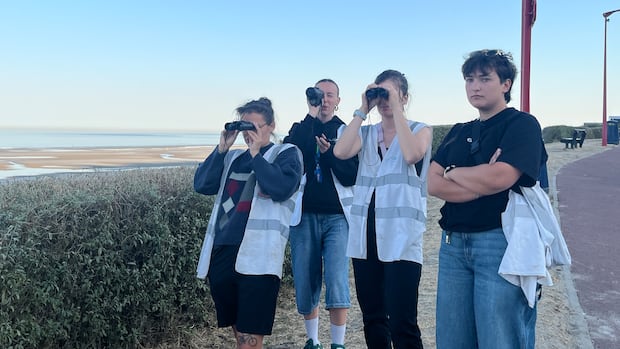
Humanitarian organizations and citizen groups play a crucial role in aiding migrants stranded after failed attempts to cross. Despite crackdowns by authorities in Calais, migrants continue to seek alternative and perilous routes, with some boats becoming overcrowded and larger in size.
The risks associated with smuggling operations remain high, with incidents of large groups of migrants successfully reaching the UK, prompting concerns about their safety. The use of new tactics by smugglers, such as deploying inflatable vessels from remote points, further complicates enforcement efforts by authorities.
In response to the evolving migration dynamics, citizens like Angèle Vettorello from volunteer group Utopia 56 provide support to migrants in transit areas. The reliance on such grassroots initiatives underscores gaps in formal rescue and humanitarian operations due to limited resources.
Individual migrants, like Mohammed, share harrowing accounts of their journeys, driven by a quest for safety and reunification with family members. The UK’s immigration policies and public sentiment towards migrants remain divisive, with ongoing debates on the country’s approach to immigration.
Local officials, including Mayor Stéphane Pinto of Ambleteuse, express concerns about the escalating risks faced by migrants attempting Channel crossings. The tragic incidents and humanitarian challenges underscore the need for comprehensive solutions at national and international levels to address the complex migration crisis.
As migration trends continue to evolve, stakeholders emphasize the importance of collaborative efforts and long-term strategies to manage and mitigate the impacts of migration flows on both sending and receiving countries.