
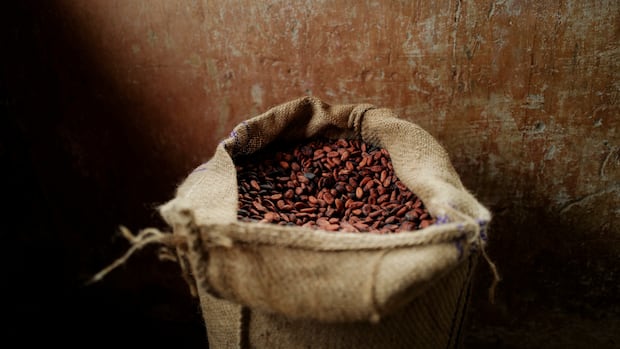

A recent peer-reviewed study highlights an overlooked threat to cocoa production amidst the surge in cocoa prices. While heat and drought are often emphasized as major climate risks, the study reveals that heavy rainfall poses the most significant weather threat to cocoa cultivation.
Cocoa prices have witnessed a sharp increase in recent years, with a tonne now priced at around $6,000 US compared to the previous range of $2,000 to $3,000 US per tonne since 2014. Factors like heavy flooding in West Africa have contributed to this price surge, impacting over two million farmers in the region, which is the world’s largest cocoa-growing area.
Leslie Agyare, the founder of Three Mountains Cocoa in Ghana, expressed the challenges faced due to excessive rainfall affecting crop management and harvesting. Climate change exacerbates such extreme rainfall events, potentially impacting cocoa yields that billions of people worldwide rely on for enjoyment.
The study, focusing on Ghana as the second-largest cocoa producer globally, underscores that excessive rainfall during crucial growth stages can significantly limit cocoa yields more than temperature fluctuations. The research also indicates a clear climate signal, with warmer air holding more moisture and intensifying heavy rain events during the wet season.
Apart from climatic risks, non-climactic threats like aging trees and illegal gold mining pose additional challenges to cocoa production. While the study suggests interventions like fungicide use and improved drainage to mitigate fungal diseases, infrastructure investments are deemed crucial by industry experts like Agyare to address the impacts of extreme weather on cocoa farming.
Experts warn that the changing climate may make cocoa farming less attractive and increasingly challenging in West Africa, potentially leading to a shift away from cocoa in chocolate production. Companies like Nestlé are already exploring alternatives like cocoa-free chocolate to ensure a more resilient supply chain amid the volatility in cocoa prices.
In light of these developments, experts emphasize the need for sustainable solutions and support for smallholder farmers in West Africa who have historically borne the brunt of price fluctuations in the chocolate industry.