
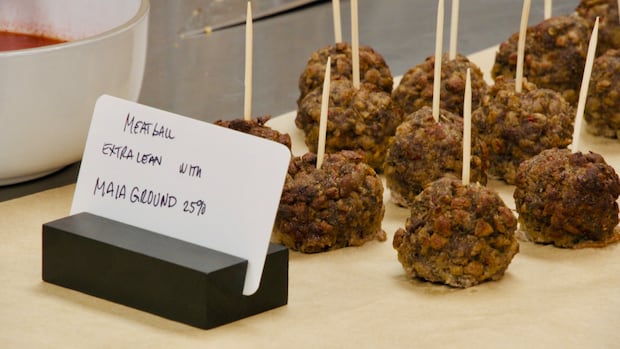

Maia Farms in Vancouver has developed a method to cultivate mycelium, the intricate root-like structures of fungi that spawn mushrooms, using a bioreactor to control the growth environment. This innovative approach enables precise management of oxygen supply, resulting in a versatile food product that can be combined with various protein sources to enhance nutritional value and texture.
Unlike traditional meat substitutes, Maia Farms is targeting the meat industry itself by offering mycelium-infused products that promise significant nutritional benefits and flavor enhancements while reducing the amount of meat required. This comes at a crucial time for the food industry, grappling with soaring meat prices.
Studies show that Maia’s mycelium could potentially replace up to 40% of meat content in popular items like sausage rolls, meatballs, and burger patties, offering improved moisture retention and a rich umami flavor profile. Moreover, the environmental impact of this innovative approach is noteworthy, with significantly lower carbon dioxide emissions and water usage compared to traditional beef production methods.
Despite a decline in sales of meat alternatives in recent years, Maia Farms aims to carve a niche in the market by scaling up mycelium production cost-effectively. Chief Innovation Officer Sean Lacoursiere emphasizes the company’s commitment to making mycelium products widely accessible and appealing to consumers, highlighting the long history of consuming oyster mushrooms and the delicious results achieved through their innovative cultivation techniques.