
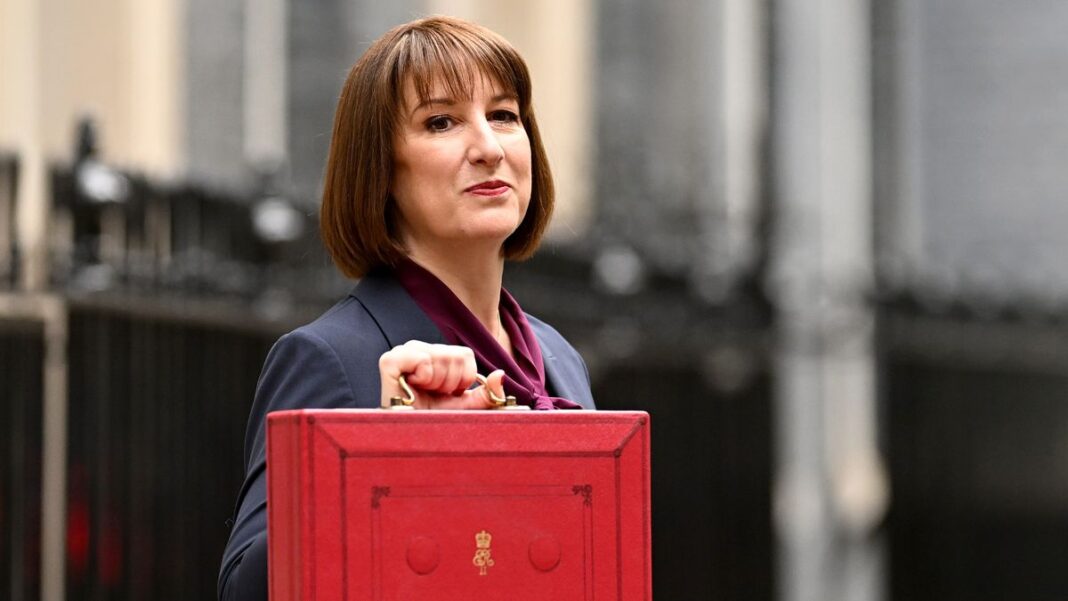

Chancellor Rachel Reeves is gearing up to present a crucial Budget next week, facing the challenge of addressing a significant deficit in public finances while adhering to strict spending guidelines. Recent indications suggest that tax increases may be on the horizon, with Reeves emphasizing the need for collective contribution to manage the financial situation.
Initially, there were concerns about potential tax hikes, including income tax, in contrast to Labour’s pledge to avoid such increases. However, improved forecasts from the Office for Budget Responsibility have somewhat eased the financial shortfall, reducing it to approximately £20 billion, a slight improvement from earlier projections.
The upcoming Budget announcement on November 26 will be closely watched for potential policy changes. Reeves is reportedly considering extending the freeze on income tax thresholds for two more years, which could impact taxpayers as their incomes rise, potentially leading to higher tax rates.
Additionally, adjustments to the minimum wage are anticipated, with a possible increase to around £12.70 per hour from April 2026, representing a 4% rise. Labour leader Keir Starmer has emphasized the importance of reducing living costs for struggling individuals, highlighting measures to alleviate energy bill expenses.
Discussions also revolve around abolishing the two-child benefit limit, potentially funded through increased gambling taxes. The state pension is expected to see a significant rise next April, following the triple lock mechanism, and proposals for a new cap on pension contributions through salary sacrifice schemes are under consideration.
Further suggestions include the introduction of new property taxes and potential adjustments to tobacco and alcohol duties. Tourist taxes and fuel duty freeze discussions add to the complexity of the Budget announcement, with potential implications for various sectors of the economy.
As the Budget date approaches, expectations are high for Chancellor Reeves to address key economic challenges and deliver impactful policy decisions to navigate the current financial landscape effectively.