
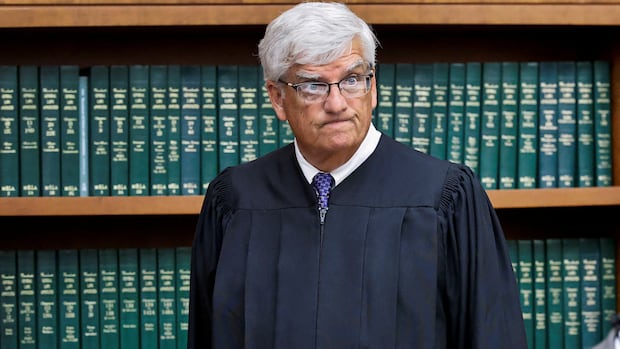

In the Lindsay Clancy trial, the jury remained deadlocked after a lengthy sixth day of deliberations, leading to no verdict being reached on Thursday. During the proceedings, Clancy’s defense attorney requested the removal of a juror due to concerns raised by the foreperson regarding the juror’s adherence to the judge’s instructions on reasonable doubt. Despite the request, the judge decided against removing the juror and instructed all jurors and alternates to reconvene the following day.
The judge emphasized the importance of following the instructions provided throughout the trial and urged the jurors to avoid any external influences, such as news coverage or discussions on the case. Clancy’s lawyer expressed frustration with the decision and raised concerns about a juror allegedly not adhering to the legal standards presented to them during the deliberations.
Judge Sullivan, however, highlighted the sensitivity of removing a juror from an ongoing deliberation process and emphasized the jurors’ initial commitment to following the instructions. The deadlock in the jury’s decision-making process was evident as they struggled to reach a consensus on whether Clancy should be held criminally responsible for the deaths of her three children.
Clancy, a former nurse, admitted to the tragic incident of strangling her children but attributed her actions to postpartum psychosis. Prosecutors argued that she was fully aware of her actions when she committed the act. The uncertainty in the jury’s decision raised the possibility of a mistrial being declared if an agreement on Clancy’s criminal responsibility could not be reached.
For individuals in need of support, various resources are available such as the Suicide Crisis Helpline, provincial mental health services, and Kids Help Phone, offering assistance and guidance for those struggling with mental health issues.