


The personal account shared here is by Nicole Robichaud, a lawyer and caregiver based in Ottawa. To explore more of CBC’s First Person stories, please refer to the FAQ section.
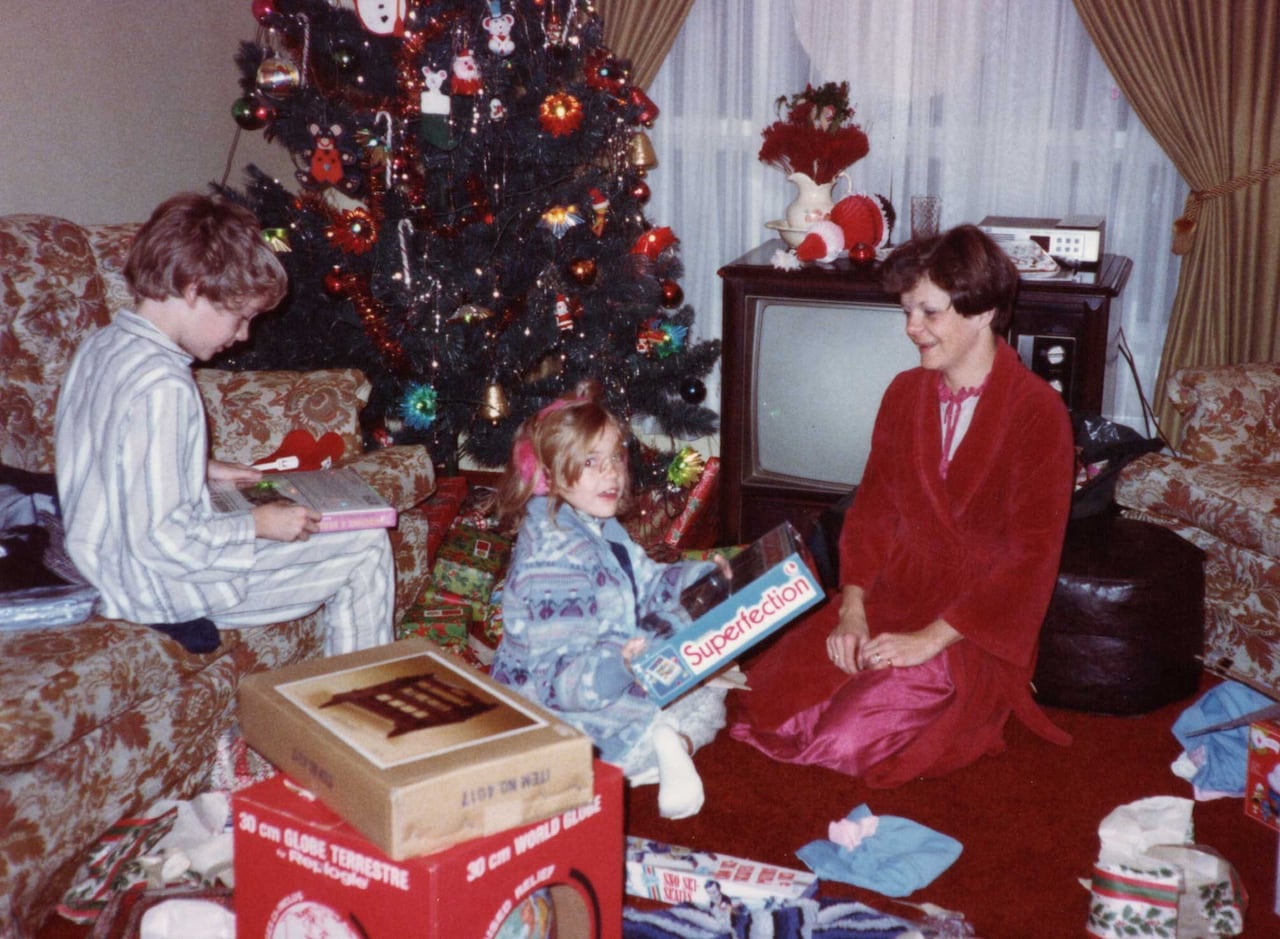
Nearly three decades ago, a folk art calendar became a cherished tradition in my family, with its origins now somewhat lost in memory. Every Christmas, without fail, this calendar found its way to my mother, evoking fond recollections. Reflecting on my childhood in Toronto, Christmas was always a joyous occasion for us, and the art calendar held a special place in my mother’s heart. Each vibrant painting, especially the December scenes, captivated her attention in the months that followed.
In 2015, at the age of 68, my mother was diagnosed with Alzheimer’s disease. Having witnessed her own father battle the same condition two decades earlier, she was familiar with the challenges that lay ahead.
Despite initial frustrations with memory lapses, she maintained a positive outlook and endeavored to stay cheerful in the face of her diagnosis.
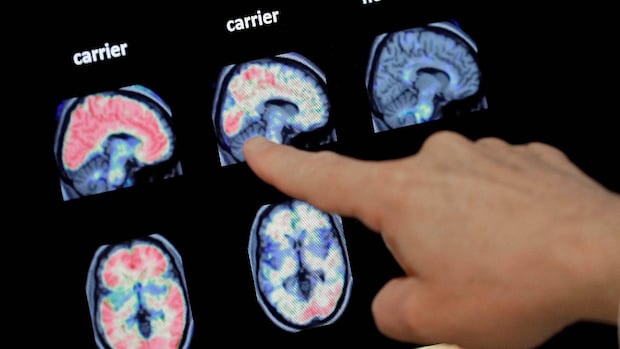
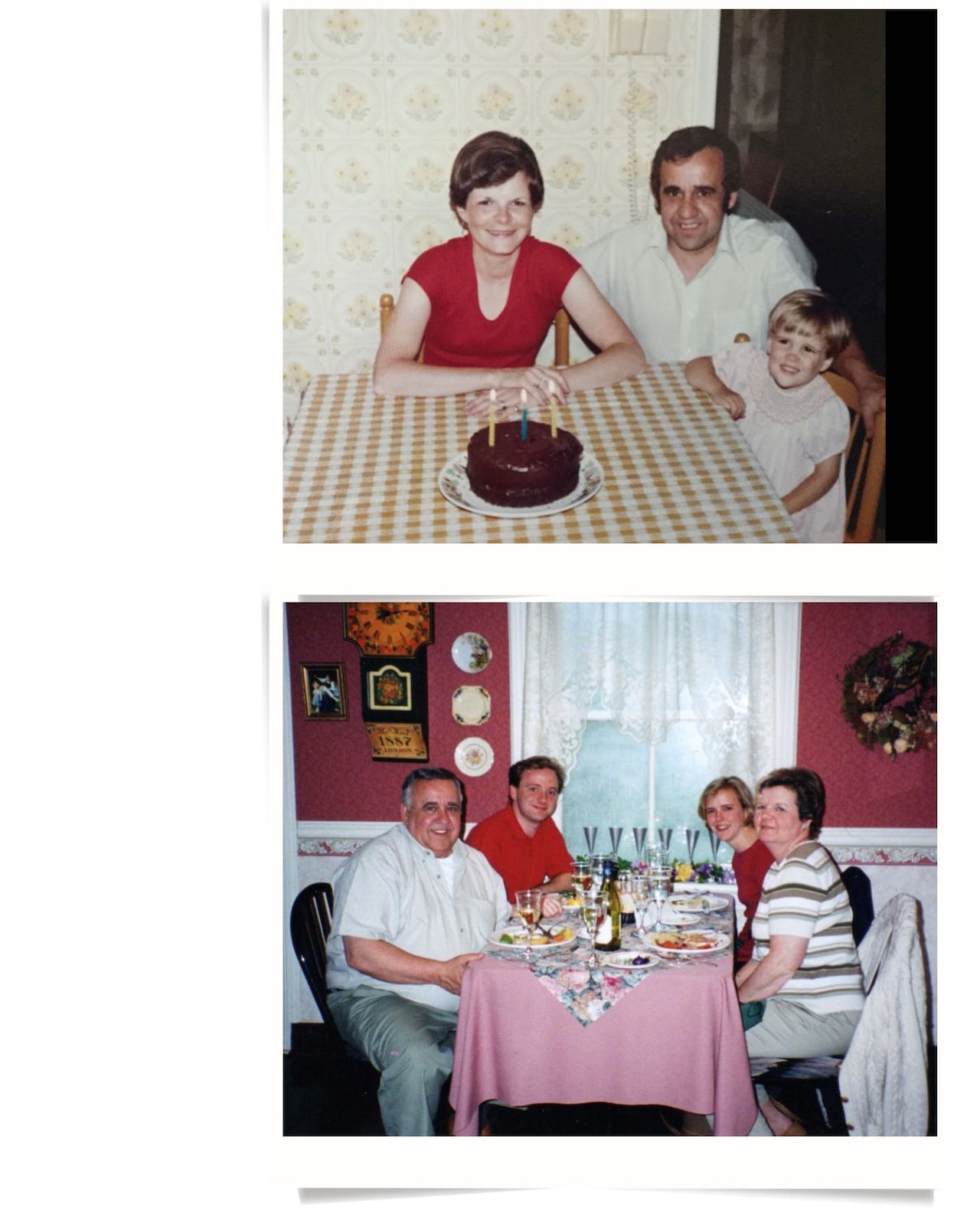
With the passage of time, the effects of the disease became more pronounced. In 2017, my parents relocated to a retirement home in Ottawa, where my father eventually passed away, leading to my mother’s transfer to the memory care unit. By 2021, confined to a wheelchair, she moved into a smaller living space.
Throughout these transitions, the cherished calendar remained a constant presence.
As her cognitive abilities declined, and basic tasks became challenging