

In our weekly newsletter, we delve into environmental trends and solutions that are propelling us towards a more sustainable future.
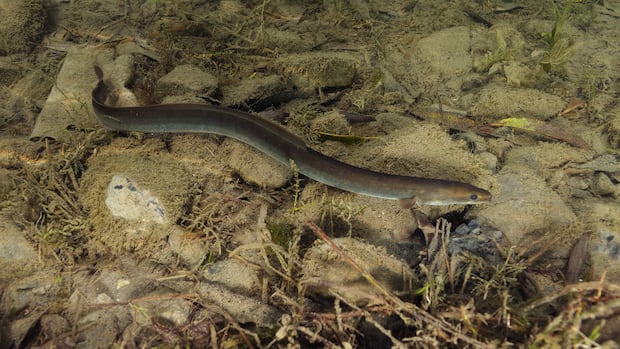
This edition sheds light on the ongoing issue of eels perishing in hydro dam turbines and a potential resolution to mitigate these fatalities. American eels face a perilous journey down the St. Lawrence River, encountering the deadly turbine blades of hydroelectric dams. These encounters have significantly contributed to a drastic decline in the eel population in the region since the 1970s.
Natel Energy, a California-based startup specializing in fish-friendly turbines, has developed a new turbine runner aimed at preventing these tragic deaths while maintaining power generation efficiency. The innovative design of the turbine runner, known as “FishSafe,” includes curved blades with a thick, blunt leading edge to minimize the risk of harm to passing fish. Computer simulations suggest that this new design could elevate the survival rate of American eels passing through to 98%.
The significance of preserving American eels lies in their unique life cycle, where they migrate from the ocean to freshwater bodies like Lake Ontario before returning to the sea to spawn. Recognized as a vital species indicative of regional biodiversity, American eels hold cultural importance for Indigenous communities along their migration routes.
Efforts to safeguard the eel population include banning commercial fishing in Ontario and implementing initiatives to aid their downstream migration, such as transporting live eels past hydro plants. The adoption of Natel Energy’s FishSafe turbines presents a promising solution to balance power generation needs with wildlife conservation. By showcasing the feasibility of protecting fish while ensuring operational efficiency, Natel Energy aims to encourage wider adoption of fish-friendly turbine technology among hydro dam operators worldwide.
The quest to safeguard American eels underscores the pivotal role of technological innovation and conservation efforts in preserving endangered species and promoting sustainable energy practices.