

In 2020, a group of officials from Goa, India, visited United Marine Products factory to investigate its wastewater disposal methods. Local residents had raised concerns about pollution caused by the factory, which produces fish meal for farmed fish. The inspectors found that the factory had drilled illegal bore holes to dump its wastewater, leading to groundwater contamination and health issues among villagers and livestock.
The factory owner denied any wrongdoing. Despite being located far away, Canadian seafood consumers are indirectly linked to such issues. The factory in India supplied Skretting, a major feed producer used by Canadian fish farms, impacting products like salmon and trout available in stores.
A long-term investigation by The Outlaw Ocean Project revealed hidden costs associated with fish feed production globally. These costs include job losses, chemical exposure, worker fatalities, and protests due to factory odors. These impacts disproportionately affect poorer nations where feed ingredients are sourced, far from where the seafood is consumed.
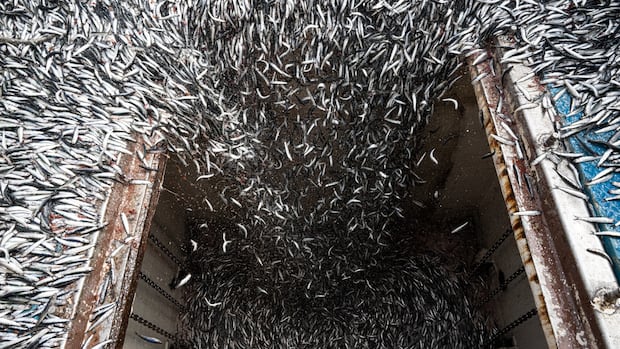
Aquaculture relies heavily on fish meal and fish oil, mainly sourced from wild fish. While efforts are being made to reduce reliance on these ingredients by incorporating alternatives like insects and algae, the demand for fish meal continues to rise. The investigation highlighted various environmental and social issues within the global fish meal industry, including overexploitation of fish stocks and poor labor conditions.
The Outlaw Ocean Project’s extensive investigation spanned multiple countries, exposing issues like food insecurity, pollution, and labor exploitation related to fish meal production and aquaculture. The findings shed light on the complex supply chains and social costs associated with seafood consumption worldwide.