
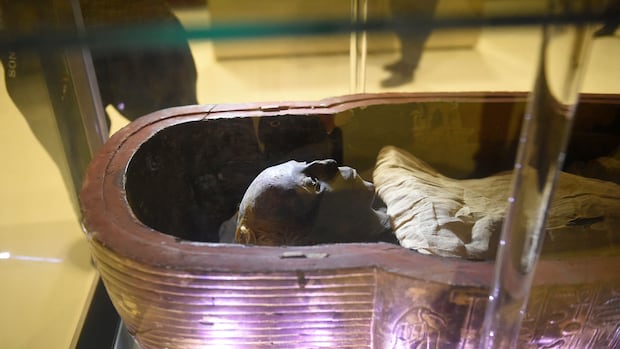

A recent study has shed light on the underground market for preserved human remains being traded online, raising concerns about potential health risks associated with this niche hobby. Lead author Kirsty Squires and her team examined 128 web posts spanning from 2015 to 2025 showcasing the sale of mummified remains, both human and animal.
According to Squires, mummified body parts such as heads, hands, and feet were frequently displayed in the online listings. These remains can harbor dormant microorganisms like bacteria, fungi, and yeast, which if mishandled, could lead to health complications. Proper storage conditions are essential to prevent deterioration of these remains, as highlighted by Squires.
The study emphasized the importance of controlled environmental conditions, stressing that storing mummified remains in unregulated settings like homes or garages can pose risks. Handling such remains without precautions may release harmful fungal spores or bacteria into the air, potentially affecting individuals with compromised immune systems.
Furthermore, some mummified body parts may contain toxic substances such as arsenic and mercury from embalming fluids used in the past, adding another layer of risk. While the study did not report specific cases of illness from handling these remains, historical incidents like the deaths of conservation scientists in 1973 due to inhaling mold spores serve as cautionary tales.
In Canada, where 11 out of the examined online posts originated, concerns have been raised about the unregulated trade in human remains. Experts like Shawn Graham advocate for stricter regulations to curb the online sale of mummified remains, citing ethical implications and potential health hazards.
While some collectors argue that proper handling and storage mitigate risks, others push for legislative action to prohibit the commercialization of human remains. The global nature of this trade, facilitated by social media and lax oversight in shipping, underscores the need for increased scrutiny and regulation to protect public health and respect cultural heritage.