
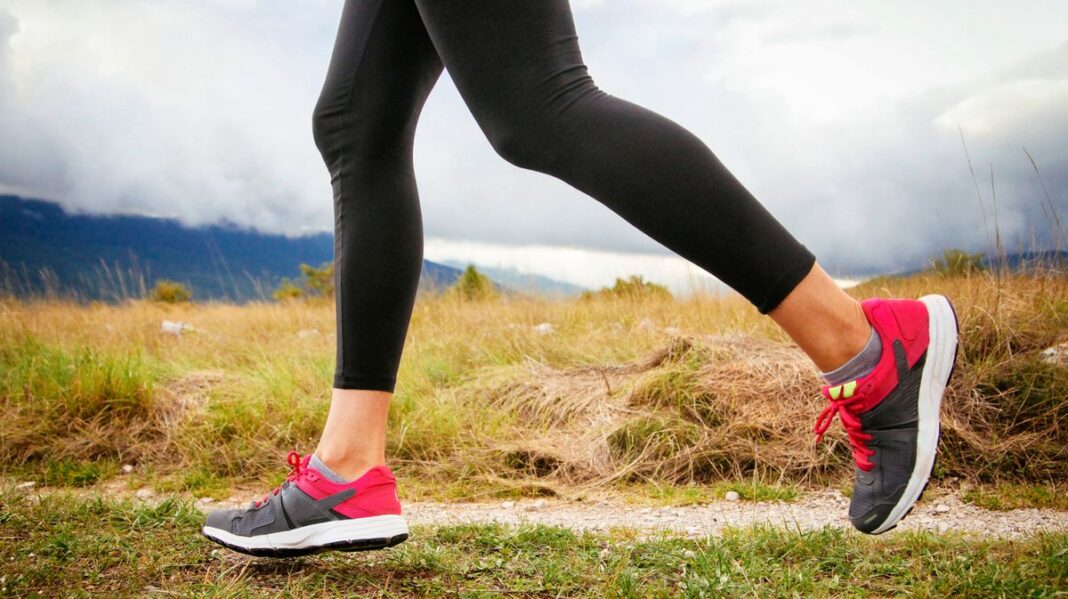

With January in full swing, many individuals are seeking ways to improve their fitness and health to kick off 2026. For runners, or those new to running, the question of how to support their knees during the process may arise.
Despite the numerous benefits of exercise, it can sometimes lead to aches and pains, often due to issues like poor form, inappropriate footwear, or overexertion. I personally experienced this during lockdown, realizing the toll on my knees from increasing my fitness routine.
During the period of isolation, my running frequency significantly rose as a means of getting fresh air and passing time. However, this sudden change took a toll on my body, particularly my knees, causing discomfort. Upon consulting a physiotherapist, I received advice on how to support my knees and return to a healthy routine.
In addition to reverting to my usual three-times-a-week running schedule, I incorporated pre-run exercises, with one particular routine proving highly effective in alleviating knee issues. While individual results may vary, this practice significantly improved the comfort of my knees both during daily activities and running sessions.
The recommended exercise involves a simple squatting technique before starting your run, offering notable benefits for knee health. Amidst the current trend of various fitness routines gaining popularity as people strive for a healthier start to the new year, this tip stands out as a practical strategy worth trying to support your knees.
Squats are renowned for their effectiveness in strength training, simulating the natural motion of sitting and standing. They engage major lower body muscles such as glutes, quads, and hamstrings, along with the core, enhancing mobility, balance, and overall function.
Apart from their muscle-building and fat-burning benefits, squats play a crucial role in strengthening the knees. Integrating squats into your running regimen can enhance the strength of supporting muscles like quads, hamstrings, and glutes, ultimately improving joint stability and reducing the risk of common running injuries.
Proper squat form is essential to prevent imbalances and potential injuries. Full squats, which engage muscles more evenly compared to half-squats, contribute to greater stability, aiding in developing leg power and body awareness.
By targeting the quadriceps, hamstrings, and glutes, squats play a pivotal role in stabilizing the knee joint against the repetitive impact of running. They promote muscle engagement across various groups, fostering a resilient and stable knee environment, thereby reducing the likelihood of common running ailments.
For beginners or individuals recovering from pain, starting with bodyweight squats or wall sits and gradually progressing is advised. Seeking professional guidance is crucial if sharp pain occurs, ensuring a safe and effective training approach.
While incorporating exercises like squats can be beneficial, consulting a physiotherapist for personalized guidance on addressing specific issues is recommended. Prioritizing correct form and gradual progression can enhance the effectiveness of squats in supporting knee health and overall running performance.