
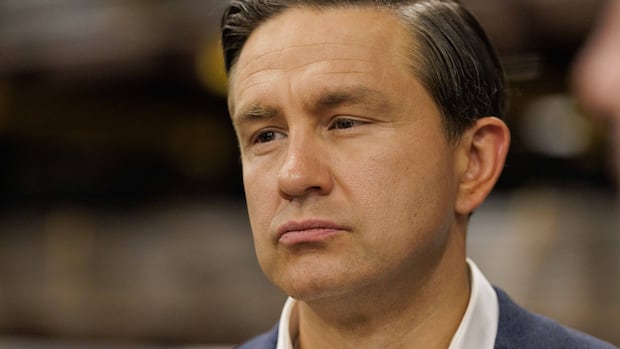

Conservative Leader Pierre Poilievre has urged Prime Minister Mark Carney to reconvene Parliament to disclose the details of the rejected U.S. trade deal and clarify the impact on Canadians from his proposed retaliatory actions.
In a letter addressed to Carney, Poilievre emphasized the importance of transparency by calling for the release of the trade deal text to allow Canadians to assess available options. He also raised concerns about the potential cost to Canadians due to increased prices on essential items like groceries and fuel as a result of Carney’s trade and economic strategies.
Additionally, Poilievre sought assurance on how Carney plans to safeguard jobs in industries such as steel, aluminum, lumber, and auto manufacturing, which are at risk due to imposed tariffs.
Carney halted trade discussions with the U.S. after accusing the U.S. administration of imposing restrictive measures that hindered Canada’s trade flexibility. This led to Carney’s decision to retaliate against the U.S. with tariffs following the implementation of new U.S. tariffs.
Poilievre emphasized Parliament’s responsibility to hold the government accountable, especially in critical times like these, highlighting the need to prioritize the national interest and address economic challenges facing Canada promptly.
The call for transparency echoes concerns raised by Canada-U.S. relations critic Shuvaloy Majumdar, who emphasized the need for clarity on the trade deal’s specifics that were rejected. Poilievre stressed the importance of governmental transparency, citing past instances where Canadians were not fully informed until details were made public.
The U.S. imposed 50% tariffs on various Canadian exports, prompting Carney to announce retaliatory measures to commence in early September. Carney justified Canada’s withdrawal from the deal, describing it as unfavorable.
In response, U.S. President Donald Trump ridiculed Canada on social media, suggesting that Canada desires state benefits without formal statehood.
While other opposition parties did not demand public disclosure of the rejected deal, they supported the idea of briefing party leaders or MPs on the trade negotiations’ progress.
Carney accused the U.S. administration of introducing last-minute measures that limited Canada’s trade agreements with other nations, including provisions that impacted Canada’s cultural and linguistic protections. Despite the U.S. offer to reduce auto tariffs in exchange for concessions, Carney noted that the terms did not cover medium and heavy trucks.