
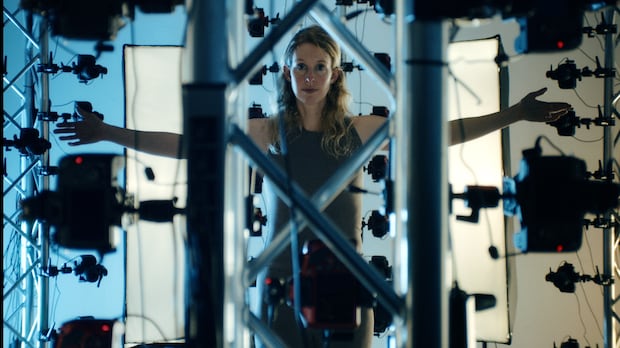

“You Can See Everything” has become the talk of the town without any spoilers. The documentary, delving into the life of Elizabeth Holmes, founder of Theranos and convicted fraudster, attracted a massive audience during its opening weekend, generating over $15 million US in ticket sales. This success marked the second-highest debut for a non-musical documentary in domestic box office history, following only 2004’s “Fahrenheit 9/11”. Despite its limited release in just 855 theaters across Canada and the U.S., the film garnered exceptional reviews, boasting a 99% fresh rating on Rotten Tomatoes and a 4.8 rating on Letterboxd, making it the highest-rated movie on the platform.
Audiences were captivated by the documentary’s premise, following filmmakers Nathan Fielder and Lance Oppenheim as they documented the lives of Holmes, her partner Billy Evans, and their children in the days leading up to Holmes serving a lengthy prison sentence for fraud. Toronto film critic Teri Hart described the theatrical experience of watching “You Can See Everything” as intense, with viewers physically leaning into the screen, gasping, applauding, and laughing throughout the film.
The documentary’s unique blend of interviews and storytelling, coupled with the dynamic between Fielder and Holmes, created a mesmerizing viewing experience. Fielder’s reputation for unconventional questioning and Holmes’s distinctive communication style added a magical element to the film. The documentary’s uncomfortable yet compelling interviews, reminiscent of Fielder’s past work on “Nathan for You”, challenged viewers to rethink their perceptions of truth.
Distributed by A24, the same company behind other critically acclaimed films, “You Can See Everything” further solidified A24’s reputation for collaborating with visionary directors. Hart praised A24’s commitment to working with auteurs and directors with strong artistic visions. She emphasized the film’s ability to provoke thought and spark conversations among audiences, leaving them with lingering questions and a desire to engage with strangers about their interpretations of the truth.