

The G7 nations have announced plans to release 100 million barrels of oil, with an initial focus on diesel, in response to the recent surge in fuel prices in the United States. President Donald Trump confirmed the immediate release of diesel, following the G7’s commitment to a rapid and substantial distribution within 20 days, and the remainder over a four-month period.
Facing pressure ahead of the upcoming midterm elections, Trump and the Republican Party are addressing the escalating prices, attributed to factors like the Iran conflict and trade disputes. Despite the prolonged war driving up gas and diesel costs, Trump maintains that the price hike is justified to prevent Iran from acquiring nuclear weapons, with hopes for a decrease post-war, though no definitive end is in sight.
In Canada, the average diesel price stood at $2.63 per litre, reaching even higher rates in cities like Vancouver, where it hit $2.71 per litre. These elevated prices are impacting transport truck drivers and farmers heavily reliant on diesel to operate their vehicles and machinery.
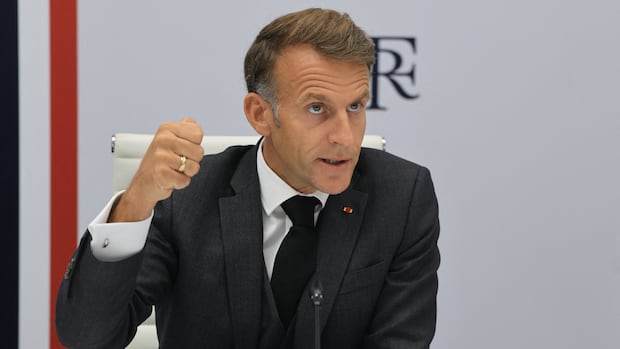
France, holding the G7 presidency, disclosed the oil release decision following discussions led by President Emmanuel Macron. The G7 countries, comprising Canada, France, Germany, Italy, Japan, the U.K., the U.S., and EU representation, will collaborate through the International Energy Agency to implement the release strategy.
The coordinated effort involves an immediate release of 100 million barrels over four months, including a significant diesel allocation within the first 20 days by G7 members and partners. This initiative follows a previous commitment in March by IEA member nations to release 426 million barrels for market stabilization.
Trump recently proposed a ban on diesel exports to mitigate rising gas prices domestically, a move cautioned against by experts due to potential repercussions on the global fuel market. Despite discussions on addressing escalating fuel prices, the G7 countries have collectively agreed not to impose energy export restrictions on each other, emphasizing the need to avoid actions that could worsen market tensions.
In a conversation with Macron preceding the videoconference, Trump discussed the necessity of addressing fuel price increases and ensuring petroleum product availability. A recent AP-NORC poll revealed that a majority of U.S. adults hold Trump accountable for the surge in prices, leading to a decline in approval ratings for his economic management.