

Montreal police have been expanding their utilization of AI-driven technologies to monitor vehicles and individuals throughout the city discreetly, sparking concerns about transparency and privacy rights.
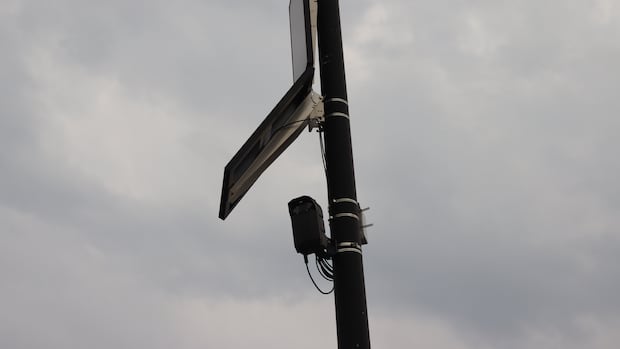
Recently, a high-tech camera capable of scanning and identifying vehicles was discovered by a Radio-Canada journalist on a lamppost along Henri-Bourassa Boulevard in Montreal’s Rivière-des-Prairies area. The camera, identified as the Cloudrunner CR-H2 made by Genetec, a Montreal-based company, was swiftly removed after its presence was highlighted in a Radio-Canada article.
Unlike the controversial Flock Safety cameras widely used in the United States, the Genetec system not only scans license plates but also records specific vehicle details such as color, make, and model. The collected information is managed by the system’s operator, unlike Flock cameras that share data in a centralized database accessible to multiple law enforcement agencies.
According to SPVM spokesperson Marc-Antoine Bélanger, access to the captured images is limited to investigators handling the specific case. The SPVM justifies the secrecy surrounding its technological tools as necessary to safeguard ongoing investigations and follows clear legal guidelines.
However, privacy advocates argue that there has been a lack of transparency in the deployment of these new technologies. Dominique Peschard, a representative from the Ligue des droits et libertés, emphasized the importance of informing the public about the tools being used by law enforcement without compromising their effectiveness.
The use of Cloudrunner cameras is part of the SPVM’s broader adoption of AI technology, including iMotion ROC AI software developed by Rank One Computing. The software helps investigators analyze large volumes of video footage, although the SPVM denies using its facial recognition or biometric capabilities.
The SPVM’s internal privacy impact assessment acknowledges the civil liberties risks associated with the technology, such as potentially subjecting innocent bystanders to investigation. Despite concerns, the SPVM assures that measures are in place to minimize discriminatory practices and protect privacy.
The admission by the SPVM regarding the Cloudrunner camera followed initial confusion from Montreal Police Chief Fady Dagher. The chief confirmed the SPVM’s ownership of the device, emphasizing its use in addressing armed violence and vehicle theft cases.
While only one Cloudrunner camera was identified and removed, the SPVM suggests the possibility of deploying additional cameras based on the needs of ongoing investigations. Genetec’s vice-president, Andrew Elvish, highlights the technology’s privacy-respecting design and emphasizes the necessity of balancing privacy concerns with ensuring community safety.
In response to inquiries, the City of Montreal clarified that it had not installed the Cloudrunner camera and redirected questions about its deployment to the SPVM. The growing use of surveillance technologies in Montreal underscores the importance of balancing public safety with privacy concerns, as highlighted by legal experts and privacy advocates in Quebec.