
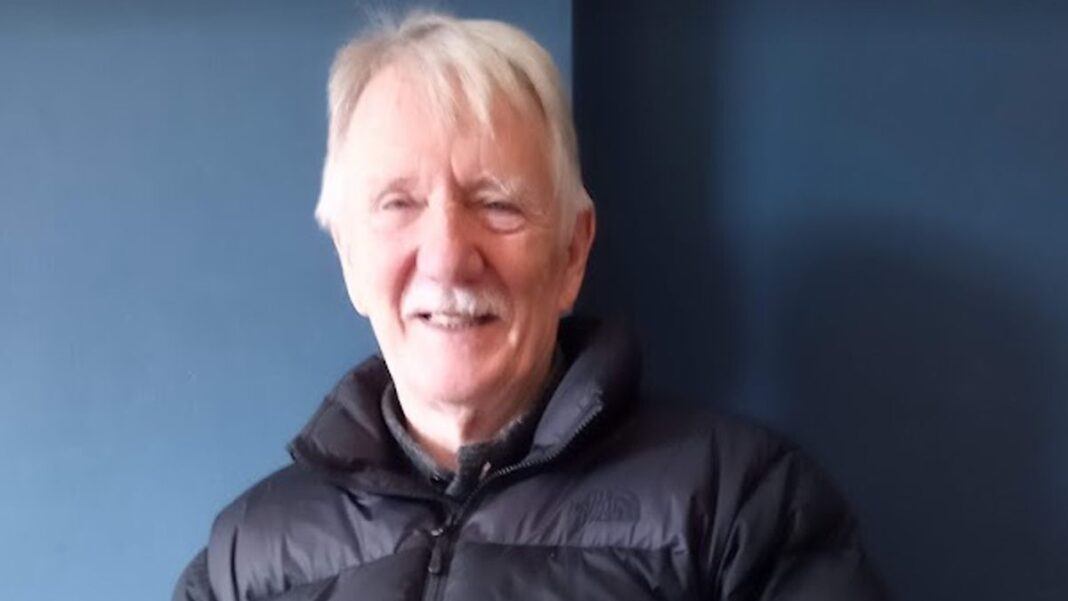

Roger Cliffe-Thompson, an 82-year-old pensioner residing in Merseyside, dedicates five days a week to working in a care home, assisting individuals with dementia. While he finds his role as an activities co-ordinator fulfilling, he also acknowledges the necessity of this work to meet his financial needs.
Formerly a teacher in further education, Mr. Cliffe-Thompson reveals that his state pension and modest private pension are insufficient to cover his expenses, which include an ongoing interest-only mortgage until the age of 99. Despite the financial strain of maintaining a mortgage at his age, he expresses concerns about the escalating costs of household bills.
To economize, Mr. Cliffe-Thompson has adopted various money-saving strategies, such as limiting water usage by repurposing bath water to flush the toilet. He closely monitors his daily energy consumption, aiming to keep it under £1.80 but notes that colder weather conditions have caused this amount to rise slightly. His car insurance premiums also surged significantly after turning 80, prompting him to seek more affordable options.
Reflecting the experiences of many seniors, research by Age UK reveals that a substantial portion of individuals over 65 are cutting back on essentials like electricity and heating to manage financially. The charity warns that without intervention, the number of pensioners living in poverty could exceed two million in the coming years. Age UK’s “Crisis Hiding in Plain Sight” campaign urges older individuals to explore potential financial support avenues, emphasizing the importance of checking eligibility for benefits like pension credit.
Caroline Abrahams, the charity director at Age UK, underscores the urgency of addressing elderly poverty, especially as the population ages. She stresses the significance of maximizing financial support for seniors through benefit checks and applications. Age UK’s initiative aims to secure essential financial aid for older individuals, recognizing that even small monetary boosts can have a significant impact on their quality of life.