
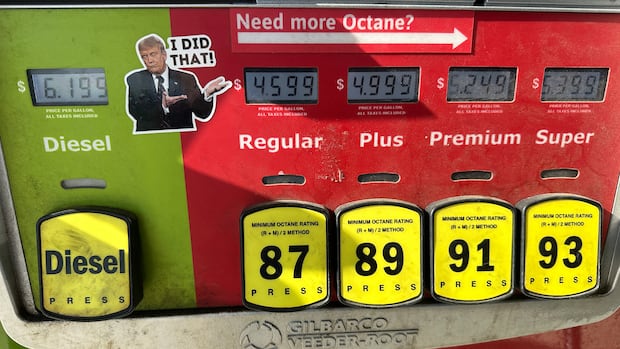

For nearly a year, U.S. President Donald Trump has been downplaying concerns about increasing prices, attributing them to political maneuvers by Democrats. He has wrongly claimed consumer prices decreased during his tenure and optimistically predicted a decline in gas and diesel costs following the conflict with Iran. Despite his assertions, public sentiment reflected in various polls indicates skepticism toward Trump’s assertions on the cost of living.
Recent polling data from the Silver Bulletin indicates that over 70% of American respondents disapprove of Trump’s handling of inflation. The latest figures from the U.S. Department of Labor revealed a 3.7% rise in the consumer price index in September compared to the previous year, primarily driven by surges in fuel and clothing prices.
As the U.S. midterm elections on November 3 draw closer, the economic landscape remains a critical concern for voters nationwide. Spencer Kimball, executive director of Emerson College Polling Center in Boston, notes that the cost of living, rather than employment or tax issues, is at the forefront of voters’ economic worries.
Kimball emphasizes the mounting everyday expenses that are causing anxiety among the populace regarding affordability. He expressed doubts about immediate solutions to rising gas prices or other living costs in the short term.
With the elections looming, Trump’s campaign efforts have intensified, particularly in states he previously secured by significant margins in the 2024 presidential election. Analyst Tim Malloy from Quinnipiac University Poll describes these as desperate attempts to bolster Republican candidates facing unexpected challenges due to cost of living concerns.
The prevailing sentiment among voters, as captured in various polls, indicates a predominant focus on gas prices, which are being attributed to Trump’s policies. This dissatisfaction is leading voters to hold Trump accountable for unfulfilled promises, particularly regarding the swift resolution of conflicts impacting prices.
In Martinsburg, W.Va., a traditionally Republican stronghold, residents voiced their struggles with the escalating cost of living. Individuals like Christalyn Levy mentioned resorting to food pantries due to financial constraints, highlighting the increasing difficulty in affording basic necessities.
Juliana Kaiser, another resident, shared her cost-cutting measures, such as baking her own bread and reducing travel to mitigate rising expenses. These personal anecdotes underscore the tangible impact of inflation on everyday lives and serve as pivotal considerations for voters as they prepare to cast their ballots in the upcoming midterms.