

Five former leaders of a committee advising the Canadian government on endangered wildlife have penned an open letter expressing worries about proposed modifications to the Species At Risk Act. They argue that these changes could result in the deliberate extinction of endangered species in Canada. The scientists, all former chairs of the Committee on the Status of Endangered Wildlife in Canada (COSEWIC), sent the letter to the government last month. COSEWIC is an independent panel that evaluates species at risk of extinction and recommends their inclusion in endangered species legislation.
The scientists made the letter public to prevent Canadians from being complicit in the deliberate extinction of wildlife species. These concerns arise as the government contemplates broad environmental regulation changes, including amendments to the Species At Risk Act, aimed at expediting the approval and construction of major projects.
Proposed adjustments include pre-approving major projects before assessment and exempting certain projects from the required “jeopardy test” if deemed in the national interest. Jeopardy tests prevent projects that could harm species listed under the act and their habitats from proceeding if they jeopardize survival. These tests are crucial for safeguarding endangered species, according to the scientists.
Additionally, the proposed changes would grant the government the authority to establish “federal economic zones” to pre-approve industrial development and pipelines, bypassing federal impact assessments. The current legislation, Bill C-5, allows fast-tracking of projects deemed in the national interest, including environmental assessments.
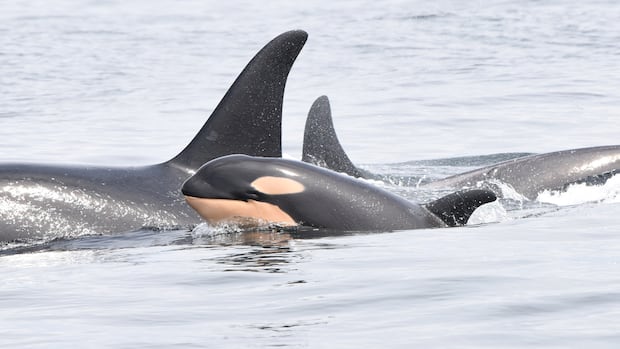
The letter specifically mentions a new West Coast oil pipeline that is under consideration as a project of national interest. This pipeline, if approved, could have adverse effects on multiple species under the act, such as the southern resident killer whale and Chinook salmon, both present in the Salish Sea region.
The scientists warn that the potential approval of the West Coast pipeline could lead to severe consequences for the imperiled killer whales and their habitat, questioning if Canadians are willing to risk the unique whale population for another oil pipeline.
The scientists express surprise at the government’s proposed changes to the Species At Risk Act, noting the significant role the legislation played when first introduced by a previous Liberal government. Experts believe that the government is setting an unprecedented precedent with these legislative alterations.
Despite sending the letter, the scientists are yet to receive a response from the government. The government, on the other hand, states its commitment to species conservation and recovery under the Species at Risk Act, emphasizing the need to expedite projects to strengthen the economy and diversify exports.
No decision has been made regarding the proposed modifications to the Species At Risk Act, with a report on public feedback expected before summer concludes. Following public criticism, the government extended the engagement period and plans to introduce formal legislation after Parliament resumes. Green advises the government to reconsider their stance, highlighting the irreversible consequences of species elimination.