

In the realm of modern politics, social media platforms like Instagram and TikTok play a pivotal role in shaping and promoting political movements. The recent New York Mayoral election vividly exemplified this phenomenon, transcending geographical boundaries to capture international attention, as seen through the widespread coverage of Zohran Mamdani’s successful campaign on various Instagram stories.
The power of hope and hate as compelling forces in political messaging finds its expression and dissemination through the strategic utilization of social media platforms. Nigel Farage’s adeptness at encapsulating provocative messages into easily shareable soundbites has garnered him a substantial following, showcasing the influence of social media in political communication.
A recent report by the charity Demos shed light on the perspectives of young individuals, particularly 16-year-olds, regarding social media, politics, and the future of Britain. The report underscored a disconnect between mainstream politicians and the youth, highlighting Nigel Farage’s ability to captivate attention through social media engagement, while Keir Starmer was described as lacking visibility rather than being actively disliked.
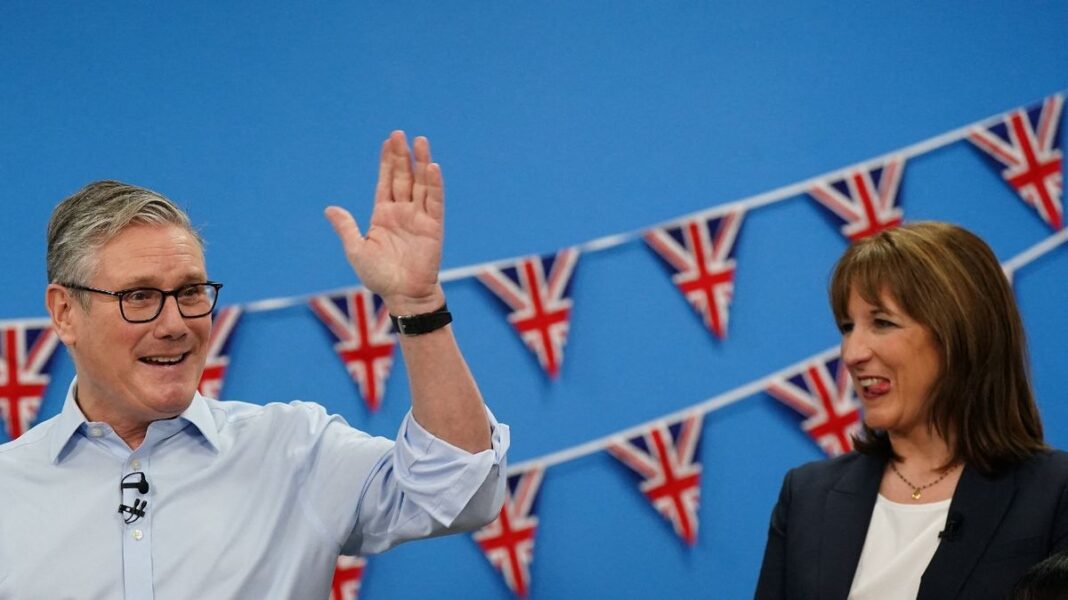
Keir Starmer’s foray into TikTok marks a strategic shift in engaging with the younger demographic, signaling an effort to resonate with Generation Z. By sharing a festive TikTok video from 10 Downing Street, inviting followers to join him on the platform, Starmer aims to broaden his reach and appeal to a younger audience.
The significance of platforms like TikTok in shaping democratic discourse cannot be understated, as they serve as primary sources of news consumption and engagement for many young individuals. Traditional media channels are perceived as slow and disconnected from the realities of young people’s lives, further emphasizing the pivotal role of social media in political communication.
To effectively engage with the youth electorate, political representatives must infuse their social media presence with vibrancy, authenticity, and relatability. The cultivation of a unique online persona, characterized by humor and personality, is essential in shaping political identity and garnering support from younger demographics.
As political campaigns increasingly unfold on social media platforms, the ability to resonate with audiences through engaging and shareable content becomes paramount. While Keir Starmer’s TikTok debut faced initial challenges and humorous feedback, the traction gained through views and interactions underscores the importance of adapting to contemporary modes of communication to remain relevant in the digital landscape.
Despite facing an uphill battle in the realm of social media engagement, the efforts by Labour to enhance their online presence and connect with younger voters signify a proactive approach towards embracing the evolving dynamics of political communication in the digital age.