
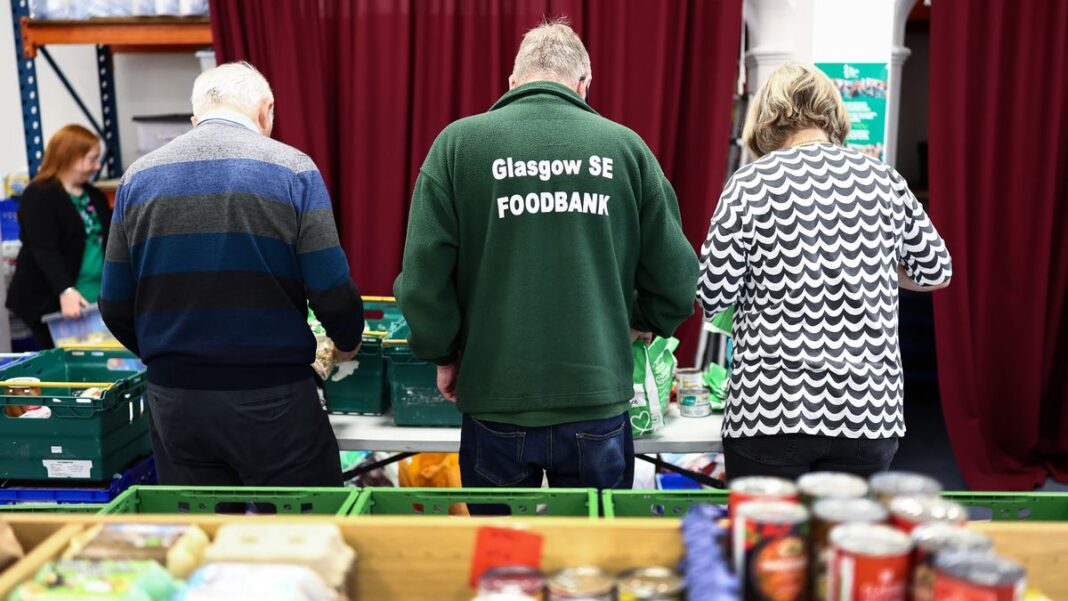

The Joseph Rowntree Foundation reports a surge in the number of individuals facing severe poverty in the UK, hitting a new peak. The foundation highlights that poverty conditions have worsened over time, with those affected now living 29% below the poverty line, a significant increase from 23% in the mid-1990s. The report reveals that approximately 6.8 million people are experiencing deep poverty, nearly half of all individuals living in poverty, marking a record high.
While the decision by the Labour party to remove the two-child benefit limit is expected to reduce child poverty by around 400,000 children compared to the previous year, the JRF emphasizes that without additional adjustments, relative poverty rates are likely to remain high after April. The foundation’s analysis also shows a concerning rise in child poverty, reaching 4.5 million children and increasing for the third consecutive year.
Moreover, the report raises alarm about the escalating issue of food insecurity, with an additional 1.1 million impoverished individuals struggling to afford sufficient food compared to two years ago, bringing the total to 3.5 million. The BBC is reportedly considering using data from its iPlayer streaming service to identify individuals who have not paid for a TV license, as the current cost stands at £174.50 annually.
In another financial update, a significant overhaul of the self-assessment tax system is set to impact thousands of workers from April onwards. The implementation of Making Tax Digital (MTD) will require sole traders and landlords earning over £50,000 annually to adopt the new tax reporting system, entailing an average cost of £320 for transitioning to MTD-compatible software, with subsequent yearly expenses of £110.
Gas prices in Europe, including the UK, have surged due to freezing weather conditions in the United States, disrupting liquefied natural gas exports and leading to a spike in wholesale gas prices. The situation has raised concerns about potential implications on household energy bills, with gas storage levels decreasing and uncertainty surrounding future price hikes.
Additionally, a recent study by the Centre for Cities has identified UK towns and cities where disposable income has seen notable growth, with living standards rising by 5.2% in top-performing areas since 2013. The report highlights economic progress in these regions, showcasing real-terms income growth and overall economic advancement compared to the national average.
Furthermore, the UK government is set to cap ground rents at £250 per year in England and Wales, benefiting over five million leaseholders and potentially saving them thousands of pounds during their lease period. The legislation, part of the Commonhold and Leasehold Reform Bill, aims to address escalating charges that have strained leaseholders’ finances and hindered property sales.
In the financial sector, NS&I is reducing interest rates on its popular products next month, affecting Direct Saver and Income Bonds customers. The adjustments reflect market changes, with NS&I aiming to maintain financial stability while considering the impact on savers and the wider financial landscape.
On a different note, luxury cinema chain Everyman has announced a halt in new site openings for the year following the departure of its CEO and a recent profit warning. The company’s financial performance for the previous year revealed a modest increase in admissions, revenues, and average ticket prices, aligning with its strategy to reduce net debt and focus on existing operations.
Meanwhile, iconic bootmaker Dr Martens faced a decline in sales due to reduced discounts and external factors like US tariffs, leading to a drop in its share price. The company’s quarterly sales fell, prompting concerns among investors and highlighting challenges in the retail sector.
Lastly, popular accessory chain Claire’s has entered administration, putting over 1,000 jobs and 150 stores at risk after being acquired just a few months ago. The move follows unsuccessful attempts to rescue the business, necessitating insolvency proceedings to address financial difficulties. Shop price inflation has also risen due to increased business costs and external factors, impacting consumer goods and food items across the UK retail sector.