
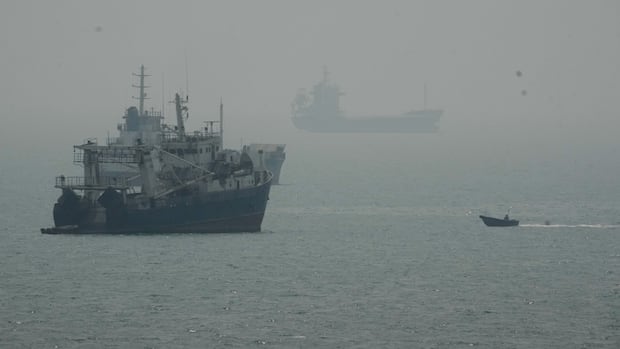

Iran reported on Wednesday that it had engaged in attacks on 10 ships near the Strait of Hormuz in response to the sinking of five Iranian oil tankers by the U.S., marking a significant escalation in the ongoing conflict between the two nations. The Islamic Revolutionary Guard Corps (IRGC) of Iran claimed responsibility for launching ballistic missiles at a U.S. military base near Al Azraq in eastern Jordan and targeting two U.S. vessels and eight oil tankers in a restricted area of the Strait of Hormuz.
These attacks in the strategic waterway led to a surge in oil prices, with the international benchmark Brent crude surpassing $100 per barrel for the first time since July. The conflict has disrupted global oil markets, with prices fluctuating due to uncertainties stemming from heightened tensions in the region, including clashes between Saudi Arabia and Iran-aligned Houthi rebels in Yemen.
The escalating violence has impacted consumers, with gas prices in the U.S. reaching an average of $4.15 per gallon for regular gasoline, representing a 26% increase from the previous year. Diesel prices also surged to $5.90 per gallon, marking a 59% year-over-year increase. The situation has raised concerns about the economic repercussions of the conflict, particularly as the U.S. midterm elections approach.
In response to the escalating hostilities, Iran announced the establishment of a maritime restricted area extending from Chabahar in Iran into parts of the Gulf of Oman and the Arabian Sea. The country also threatened oil tankers in Kuwaiti and Bahraini ports, further exacerbating tensions in the region. The conflict has severely disrupted maritime traffic through the vital Strait of Hormuz, impacting global oil transportation routes and supply chains.
The U.S. military has retaliated against Iran’s actions, conducting strikes on Iranian targets and naval assets in response to perceived threats. The situation remains volatile, with both sides engaging in military actions that have the potential to further destabilize the region and impact global energy markets.