
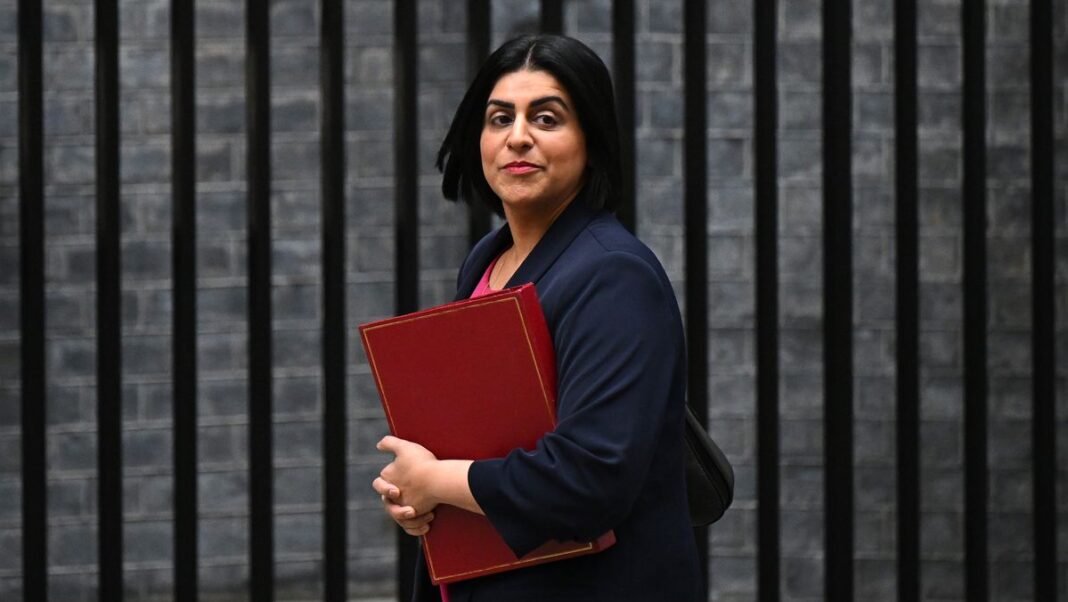

Shabana Mahmood criticized the UK for not taking strong enough action in removing unsuccessful asylum seekers while introducing significant reforms, which has sparked strong opposition. The Home Secretary unveiled a series of strict measures, urging officials to be more decisive in deporting families, including children. Additionally, the government is exploring the possibility of enforced returns to Syria following the fall of Bashar al-Assad’s regime.
In a policy document released recently, Mahmood criticized past administrations for being lenient, stating, “We have failed to demonstrate the necessary strength or determination to enforce our right to repatriate those without a valid claim to stay.” As per the new regulations, individuals granted asylum will have to wait 20 years before applying for permanent settlement.
Furthermore, those receiving protection will undergo status reviews every two and a half years, potentially leading to removal if their home country is deemed safe. However, these measures have faced criticism from Labour backbenchers, human rights activists, and opposition factions.
Labour MP Nadia Whittome expressed dismay in Parliament, condemning the government for jeopardizing the rights and safeguards of individuals who have endured significant trauma. She questioned the morality of adopting such harsh policies and criticized the Home Secretary for drawing praise from controversial figures like Tommy Robinson.
Mahmood defended the reforms, stating that the UK’s generous asylum support has attracted a large influx of asylum seekers, warning that failure to control the asylum system could empower divisive forces. The new rules will deny “automatic handouts” to those entitled to work but choose not to, including individuals with substantial assets such as cars, e-bikes, or significant amounts of gold, who may be required to contribute to their accommodation and sustenance.
Emphasizing the UK’s tolerant nature, Mahmood asserted that the reforms aim to promote unity amid attempts to sow division. The Home Secretary announced plans to establish limited, secure pathways for legal entry into the country as order is restored. Additionally, community and volunteer groups will be granted expanded sponsorship opportunities for refugees, with provisions for displaced students to pursue studies in the UK.
The government also highlighted the prolonged support provided to families awaiting deportation, with Mahmood revealing that taxpayer-funded accommodation was being utilized by hundreds of Albanian families not identified as at-risk individuals. Initial financial assistance will be offered to families for voluntary repatriation, with enforced returns considered for non-compliant cases.
The government will initiate a consultation on the process of compulsory removals for families, including children, as part of the proposed reforms. Opposition leader Keir Starmer stressed the necessity of overhauling the asylum system to enhance deterrence and enforce stringent regulations.
The appeals process will be streamlined to grant claimants a single opportunity to challenge refusals, with the establishment of a new appeals body to address the backlog of 51,000 cases. Cases with low success probabilities will be expedited, limiting claimants to one application and one appeal to prevent prolonged legal processes hindering deportations.
Labour’s updated asylum policy asserts that support will be contingent on compliance with UK laws, indicating a tougher stance on criminality and disruptive behavior within asylum settings. Mahmood argued that the influx of asylum seekers has turned the UK into a preferred destination, attracting people smugglers and illegal migrants.
The government’s strategy includes exploring the option of repatriating individuals to Syria post-regime change, aiming to resume enforced returns to countries not regularly subjected to such actions, including Syria. Mahmood refuted claims of stoking division, citing personal experiences and constituent feedback on the divisive nature of asylum issues in the UK.
Critics, including Enver Solomon of Refugee Council, raised concerns over the efficacy of the reforms, cautioning that the proposed changes may exacerbate delays, stress, and inhumane treatment of asylum seekers. The emphasis on revisiting asylum decisions every 30 months was deemed counterproductive, potentially leading to increased disorder within the system.