
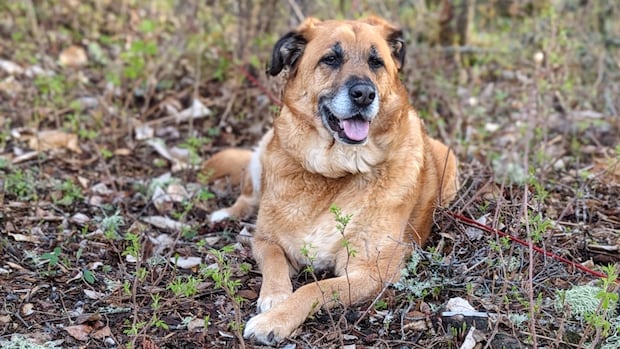

Northern Manitoba’s shortage of full-time veterinarians is reportedly endangering pets’ lives, according to local pet owners, while also creating deficiencies in emergency services and routine vaccinations.
The Manitoba Veterinary Medical Association indicates there is only one full-time veterinary clinic in the northern part of the province — the Northern Veterinary Clinic, which is based in The Pas and hosts monthly clinics in Flin Flon. The northern region is home to 75,000 residents spread over an area larger than Germany.
The Pas is located 300 kilometers southwest, roughly a four-hour drive, from Thompson, the largest city in the area. Veterinary care is only accessible when traveling veterinarians come to the town.
Alanna Salter’s dog, Jericha, experienced difficulty walking, lost her appetite, and developed an abdominal lump. Salter sought treatment from a traveling vet in Thompson in April, but Jericha’s condition deteriorated.
“I was told that the symptoms I described were quite urgent and that I would need to find emergency veterinary care elsewhere,” she explained.
Salter contacted the clinic in The Pas and secured an appointment for May 14 — however, Jericha passed away just two days prior.
“I was checking on her every 15 minutes. When I went out for my final check, I found she was gone. She was still warm and lying exactly where she had been all day,” Salter recounted.
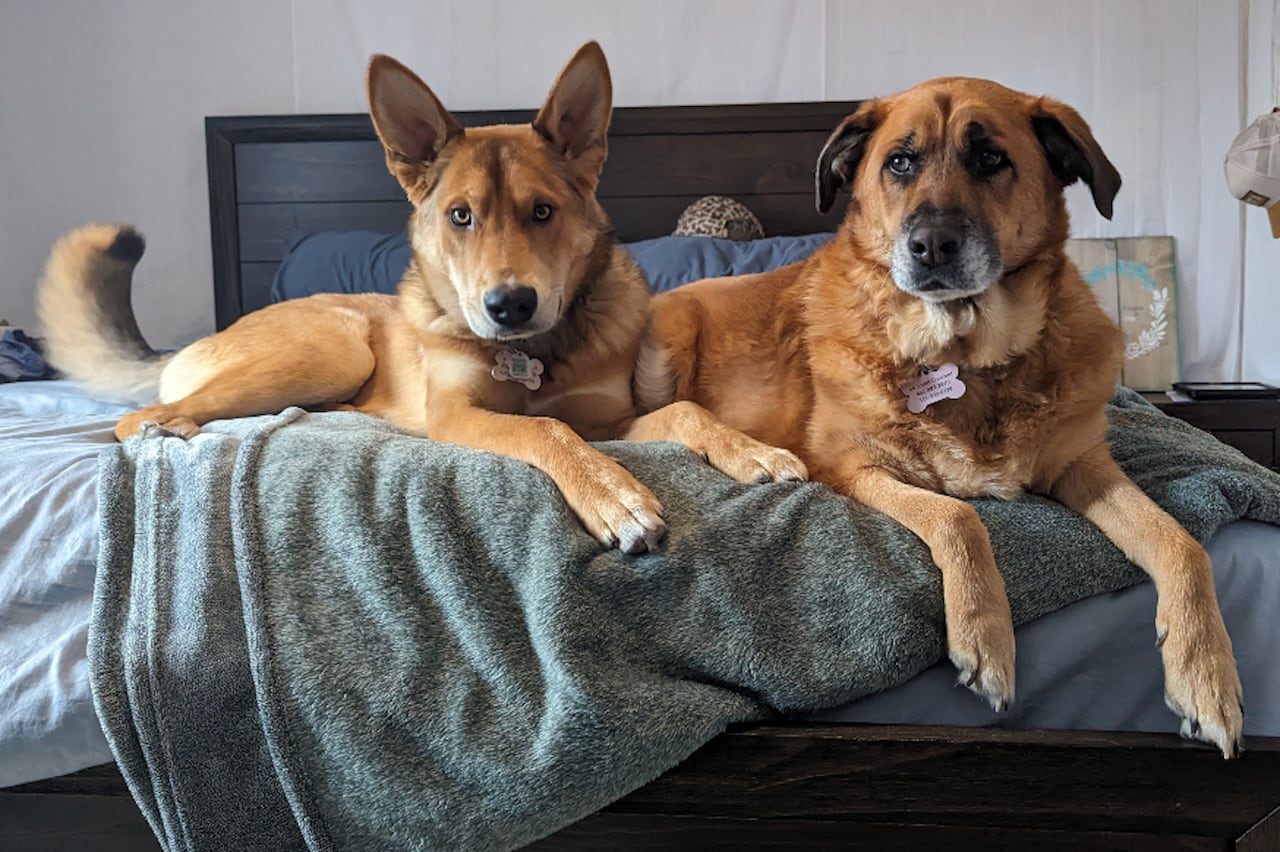
Wiley and Jericha, both dogs owned by Alanna Salter from Thompson. Jericha passed away on May 12. (Submitted by Alanna Salter)
Salter made the trip to The Pas with Jericha’s body two days after her death — not for treatment, but to arrange for her cremation.
“My daughter was particularly heartbroken because she had spent her entire life with Jericha, and the first thing she said was that she no longer had a sister,” Salter shared.
Veterinarian overwhelmed and fully booked
Veterinarian Keri Hudson Reykdal relates to this sentiment. She has had to travel to Saskatoon from Thompson to have her dog treated.
“It feels terrible when quick access isn’t available,” she stated.
“There are instances where pets may die due to the lack of available care.”
Hudson Reykdal operated a veterinary clinic in Thompson for three years, beginning in 2021 and ultimately establishing a full veterinary practice. After three years of intense demand and burnout, she departed in 2024. Since then, there has been no full-time veterinarian in the area.
“Every single day was fully booked — there were no openings unless someone canceled,” she mentioned.
“I was doing everything possible. It wasn’t sufficient, and it was negatively impacting my mental health. I couldn’t continue in that environment.”
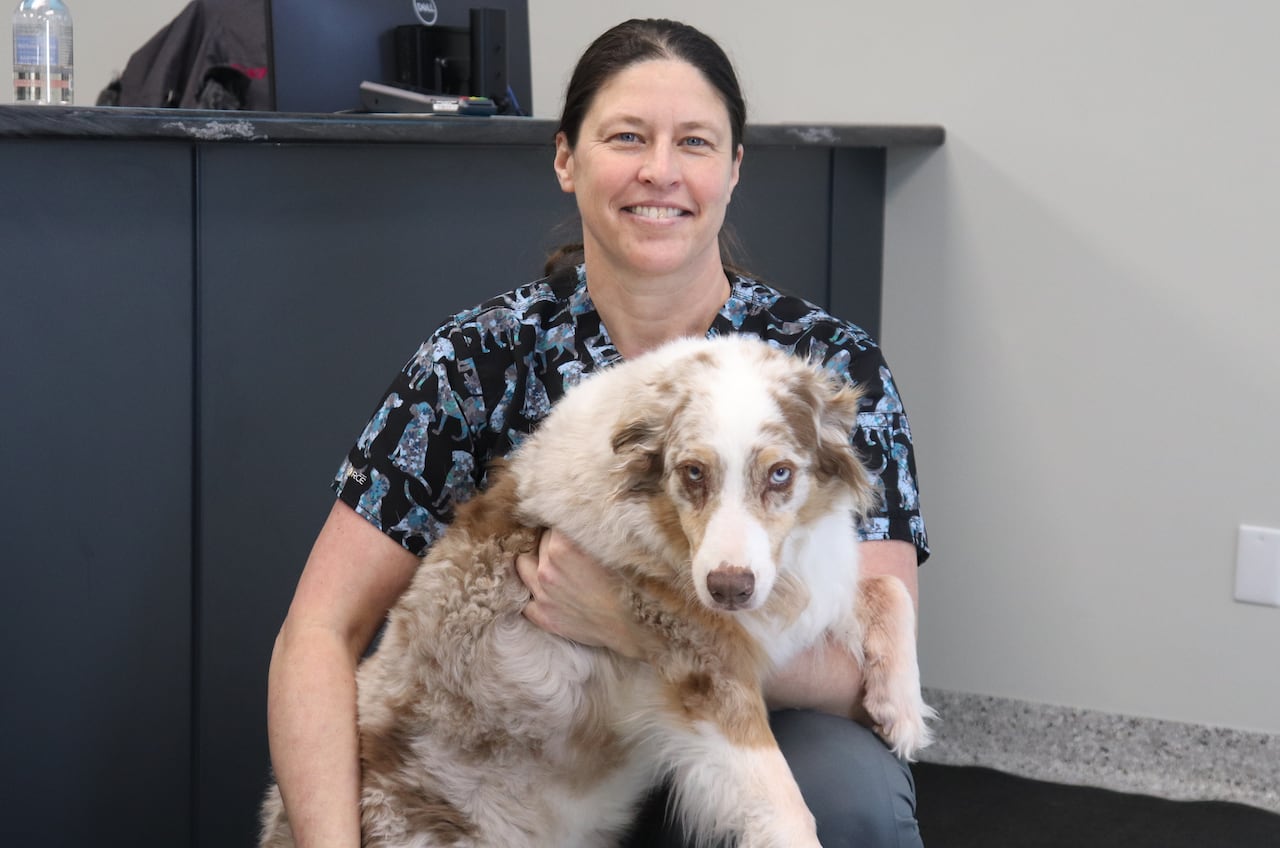
Keri Hudson-Reykdal, a veterinarian, with Siri at the North of 55 Veterinary Clinic in Thompson. Hudson-Reykdal was a full-time vet in Thompson, but burnout and lack of resources led her to leave in 2024. (Ethan Butterfield/CBC)
Hudson Reykdal returns to Thompson each month to provide animal care. The Bark and Meow Mobile Veterinary Clinic and the Winnipeg Humane Society also send veterinarians to the north. They cover basic services but are often unavailable for emergencies.
“If there’s anything urgent, something I can’t address during my visits or an animal requiring blood work or care for a serious illness, those pets have to travel,” Hudson Reykdal explained.
“There are numerous challenges currently,” stated Oswald Sawh, chair of the Thompson Humane Society and a city councillor in Thompson.
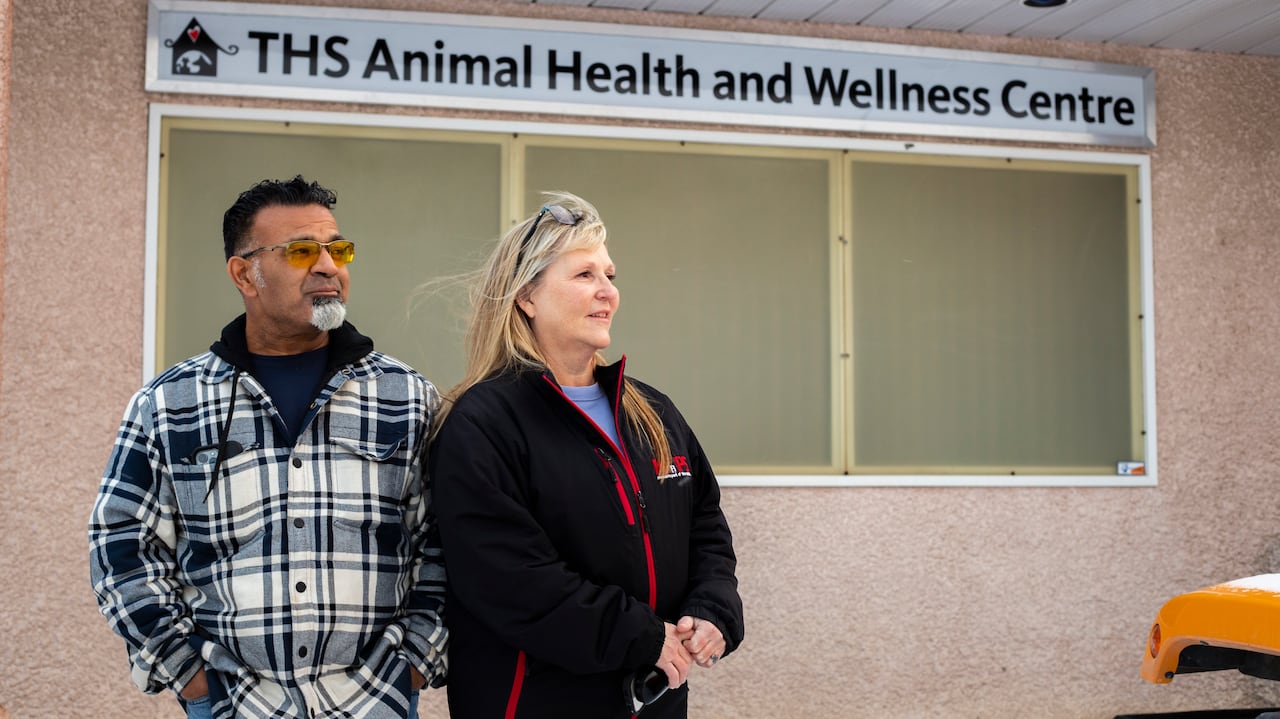
Oswald Sawh, chair of the Thompson Humane Society, and board member Michele Nichol-Sawh in front of the Animal Health and Wellness Centre in November 2023. (Chelsea Kemp/CBC)
Animals cannot even receive medically supervised euthanasia locally — they must be taken to Winnipeg.
“We’ve encountered many cases — and it’s heartbreaking to say — where owners must say goodbye to their pets through a kennel door at a cargo bay as they are prepared to be flown to Winnipeg for humane euthanasia. They will never see them again, despite having been family members for 10 to 15 years,” Sawh lamented.
“The only way we can currently euthanize an animal that is ill or suffering is through the use of a gun. That is the reality we are facing.”
Limited access to spay and neuter services
There is a nationwide shortage of veterinarians, with high demand and low supply. According to the Canadian Veterinary Medical Association, about 5,000 veterinarians may be needed across the country, but estimates suggest only 4,300 will be available.
At the Thompson Humane Society, adoption rates have plummeted — Sawh reports an 80 percent decrease over the past two years. The shelter can usually only house animals for a few weeks before transferring them to no-kill shelters for better care.
Thompson acts as a regional hub, yet with no full-time veterinarian, residents from more isolated communities may have to fly to Winnipeg for veterinary services.
The absence of spaying and neutering has led to a surge in stray dog populations. There have been outbreaks of vaccine-preventable diseases like parvo and distemper. To address this, the humane society initiated a lay vaccination program last year, allowing individuals who are not veterinarians to provide basic vaccinations to pets.
“Many animals are falling ill due to inadequate care — it’s not that the owners don’t want to help, but they lack the means or access to necessary services,” Sawh remarked.
-
Wasagamack man distributes dog food to hungry pups in northern Manitoba First Nation
-
Animal welfare, rescue groups ask governments to help control dog populations after volunteer’s death
Local leaders have been urged to take action.
Mayor Colleen Smook acknowledged the necessity for better animal care, yet stated that the City of Thompson has limitations in how it can assist.
“Improvements are crucial, especially for emergency situations. There are currently no veterinarians available in town for urgent cases,” she noted.
“Though Thompson has a population of just 13,000, we serve an area of 65,000, and there’s significant demand for pet care in that region.”
City unable to directly hire a veterinarian
The city has explored incentives, such as tax relief, to attract a veterinarian. Smook mentioned that both the city and community organizations have sought trainees or locums, but the city itself is unable to directly employ a vet.
“A veterinary clinic must be owned by a veterinarian. The city cannot simply purchase a building and establish services. It has to be a cooperative effort,” she explained.
“We are not involved in private business ventures. We aim to assist and explore potential solutions, but hiring a veterinarian is not practical for us.”
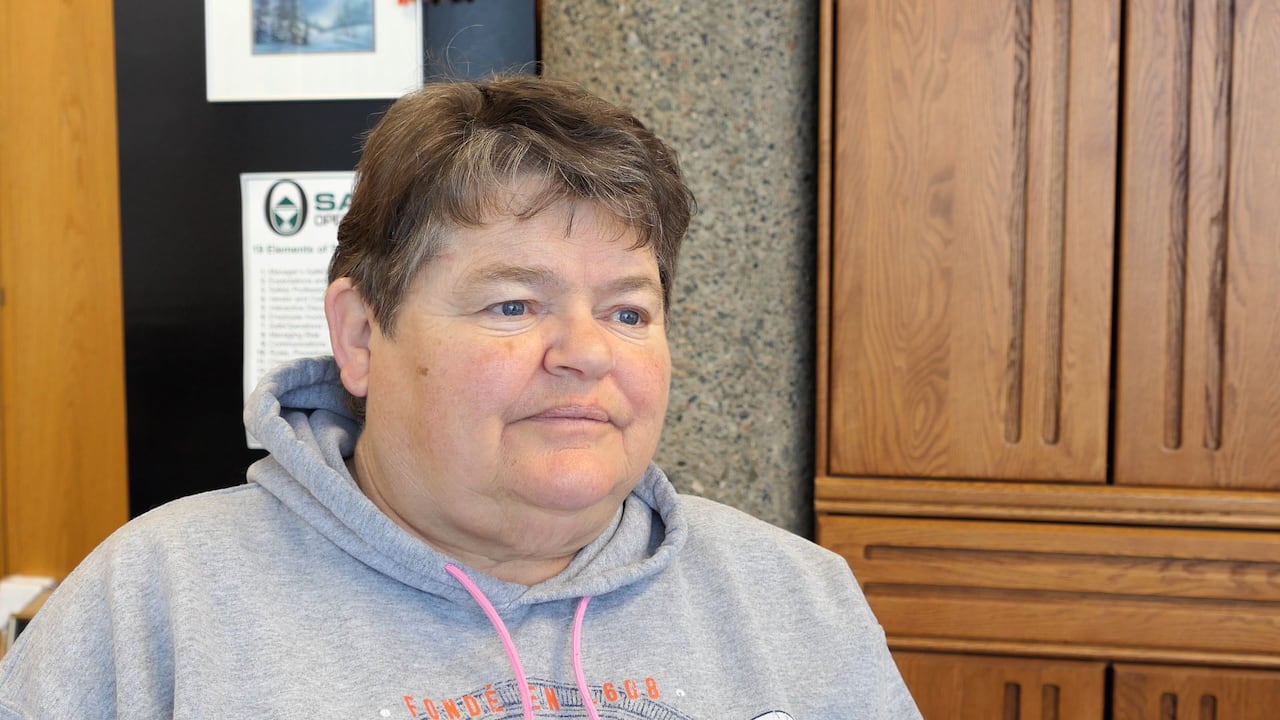
Thompson Mayor Colleen Smook expresses a desire for a full-time veterinary practice in Thompson, but acknowledges the constraints on what the City can accomplish. (Sanuda Ranawake/CBC)
“We may need to think creatively and consider providing additional support that has not historically been offered,” Sawh suggested.
Hudson Reykdal believes the city has not done enough to provide assistance and points out that potential residents are choosing not to relocate to Thompson due to the lack of veterinary care.
“I think they need to adopt a leadership stance. That is crucial, acknowledging that this is a community problem,” Hudson Reykdal remarked.
“Many educators ask right away, ‘Is there veterinary care? If not, I’m not moving there.’
-
Veterinary team from Almonte provides crucial care in Canada’s North
-
More stories from Northern Manitoba
Hudson Reykdal envisions a scenario where Thompson would have two or possibly three full-time veterinarians.
“Finding a way to achieve that is the challenge,” she stated.
While it may be too late for Jericha, Salter hopes that enhancements in veterinary care will help prevent similar tragedies for other animals.
“From my personal experience and witnessing numerous other stories online, I know this issue is persistent. It isn’t going away,” she concluded.
“We lack the ability to contact another veterinary clinic across town and possibly endure a 30 or 45-minute journey. The absence of readily accessible veterinary services is significantly detrimental to our animals’ health.”
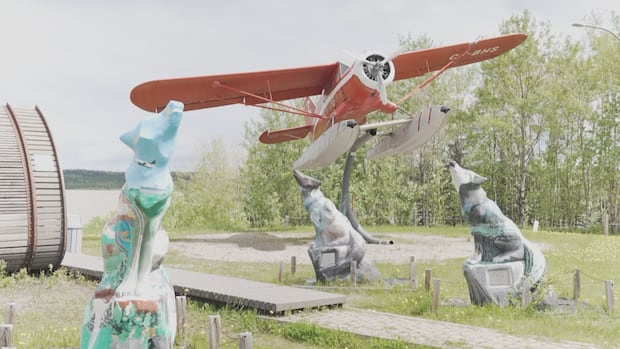
Thompson is the largest city in Manitoba’s north, but it doesn’t have any full-time veterinarians, and there’s only one full-time clinic in the region. Pet owners and animal welfare advocates are hoping for change.