
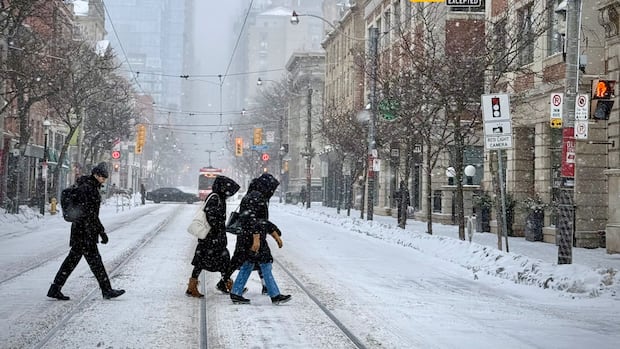

Waymo is set to make its way into Toronto, but the journey will be challenging due to the city’s snowy conditions, requiring time and extensive training data to address the obstacles.
The U.S. tech company announced its intention to commence testing on Toronto’s streets, starting with drivers at the helm to conduct mapping and safety validations. Waymo aims to enable passengers to summon driverless taxis by 2028 in the metropolis.
The testing regime will encompass round-the-clock operations throughout the week to ensure the technology’s adaptability to Toronto’s specific driving circumstances, likely centered around the city’s distinctive winter conditions, according to experts.
Waymo’s previous ventures predominantly focused on warmer, drier cities like Los Angeles and Phoenix, where it rolled out ride-hailing services. The transition to Toronto poses new challenges, especially in handling adverse weather conditions such as snow that can impede the efficacy of cameras, radar, and lidar systems crucial for autonomous vehicles.
To enhance the system’s performance in wintry conditions, Waymo has been accumulating snow-driving data from regions like upstate New York and Michigan, alongside ongoing operations in Denver, Minneapolis, and Detroit. The company emphasizes the importance of extensive training data and engineering solutions, such as equipping vehicles with heating mechanisms and wipers to counter snow and ice interference.
Despite these efforts, Waymo has yet to achieve full validation for its driverless system in snowy conditions. However, the company plans to fine-tune its technology over the next few years to navigate Toronto’s winter challenges effectively.
In adapting to adverse weather, a phased approach could be implemented, allowing autonomous vehicles to operate during favorable conditions initially and gradually expanding their functionality in inclement weather as the system evolves. This incremental strategy mirrors Waymo’s response to extreme weather events in cities where it currently operates.
Experts anticipate that this process of refining autonomous driving capabilities in winter conditions will be a multi-year endeavor, underscoring the complexity and importance of addressing these challenges for safe and efficient autonomous transportation services.